Migraine Treatment Methods continue to evolve, and today, people expect quick, long-lasting relief without unnecessary complications. Migraines disrupt daily life, affect productivity, and drain mental strength. Therefore, effective solutions must feel practical, patient-friendly, and scientifically reliable. In this detailed guide, I will explain the most effective migraine treatment methods, how they work, and why choosing the right approach can transform migraine management. Moreover, if you struggle with repetitive or severe migraine attacks, consulting a Migraine Specialist in Faridabad ensures expert diagnosis and a personalized care plan.
Understanding How Migraine Start
Before exploring migraine treatment methods, you must understand how migraines begin. Migraines occur because the brain becomes highly sensitive to specific internal or external triggers. These triggers can include hormonal shifts, stress, lifestyle habits, genetics, vascular changes, and neurochemical imbalances. Therefore, treatment must target root causes instead of simply masking pain.
Migraines often start with warning symptoms—irritability, visual blurring, nausea, or sensitivity to light and sound. Some patients experience aura symptoms such as zigzag lines, flashing lights, or temporary speech difficulties. Once the pain begins, it intensifies quickly and may last for several hours or even multiple days. Understanding this pattern helps you choose the most suitable migraine treatment method.
1. Lifestyle-Based Migraine Treatment Methods
Lifestyle management forms the foundation of migraine care. It reduces attack frequency and improves overall brain stability. These methods work best when you adopt them consistently.
A. Sleep Optimization
Regular sleep strengthens the brain’s ability to manage sensory overload. Aim for 7–8 hours of restful sleep daily. Moreover, try sleeping and waking up at the same time each day. When you follow a predictable sleep cycle, the brain reduces inflammatory responses that trigger migraines.
B. Hydration and Nutrition Balance
Migraines worsen when the body lacks essential fluids or nutrients. Drink enough water throughout the day and reduce dehydrating items like excessive caffeine. Additionally, choose balanced meals. Fresh fruits, vegetables, nuts, whole grains, and lean proteins help stabilize glucose and serotonin levels—two elements linked to headache patterns.
C. Avoiding Triggering Foods
Certain foods generate instant migraine attacks. These include:
- Aged cheese
- Chocolate
- Red wine
- Artificial sweeteners
- Processed meats
- Monosodium glutamate (MSG)
- Excessive caffeine
By tracking your food habits, you quickly notice patterns. Once you remove triggering foods, your headache episodes reduce naturally.
D. Stress Management Techniques
Stress often activates the brain’s pain centers. Therefore, relaxation exercises offer immediate benefits. Try:
- Deep-breathing
- Meditation
- Yoga
- Progressive muscle relaxation
- Guided imagery
When the brain stays calm, the nervous system avoids the chemical surge that starts a migraine cycle.
2. Medical Migraine Treatment Methods
Medical therapies remain essential when lifestyle modifications alone do not control migraine attacks. Let us explore the most effective clinical methods that neurologists commonly recommend.
A. Acute Pain Relief Medications
Acute medications work best at the very beginning of an attack. They aim to stop pain quickly and prevent symptoms from worsening.
1. NSAIDs
Ibuprofen, naproxen, and other NSAIDs reduce inflammation. They work well when the attack begins mildly.
2. Triptans
This class remains one of the most reliable migraine-specific options. Triptans restrict blood vessel dilation and control nerve activity. Medications like sumatriptan and rizatriptan provide fast relief.
3. Gepants
New-generation gepants such as rimegepant and ubrogepant block CGRP pathways—key triggers for migraine pain. They offer relief with fewer side effects.
4. Ditans
Lasmiditan works for patients who cannot take triptans because of heart-related concerns. It reduces migraine severity without vascular side effects.
B. Preventive Migraine Medications
When you experience more than 4–5 migraine days each month, preventive medicine becomes essential. Preventive therapy focuses on reducing frequency, intensity, and long-term disability.
1. Beta Blockers
Medications such as propranolol and metoprolol stabilize blood flow to the brain and reduce migraine episodes significantly.
2. Anti-Seizure Medications
Drugs like topiramate and valproate control abnormal nerve firing that contributes to migraine.
3. Antidepressants
Tricyclic antidepressants reduce nerve sensitivity and work well for patients with stress-induced attacks.
4. CGRP Monoclonal Antibodies
This advanced therapy targets calcitonin gene-related peptide, a main cause of migraine pain. Options include erenumab, fremanezumab, and galcanezumab. These injections provide long-lasting relief and work even when other medicines fail.
3. Device-Based Migraine Treatment Methods
Technology now plays a significant role in migraine care. Neuromodulation devices help patients who prefer non-drug treatments.
A. Vagus Nerve Stimulation (VNS)
A handheld device stimulates the vagus nerve and reduces pain signals. It works for both acute and preventive treatment.
B. Transcranial Magnetic Stimulation (TMS)
TMS uses magnetic pulses to calm overactive brain circuits that trigger migraines. Many patients benefit from its drug-free relief.
C. External Trigeminal Nerve Stimulation (eTNS)
This device uses mild electrical impulses to control trigeminal nerve sensitivity—a major source of migraine pain.
4. Natural and Alternative Migraine Treatment Methods
Natural therapies support mainstream treatment and offer holistic benefits.
A. Herbal Supplements
- Butterbur
- Feverfew
- Riboflavin (Vitamin B2)
- Magnesium
- Coenzyme Q10
These supplements improve mitochondrial function and stabilize brain chemistry.
B. Aromatherapy
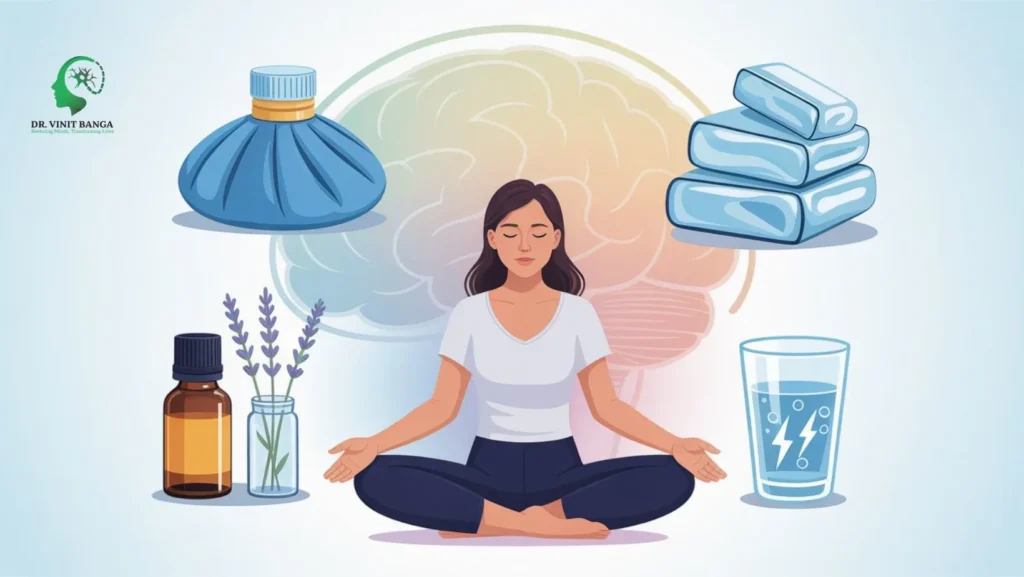
Lavender and peppermint oils provide soothing effects. They relax muscles and reduce sensory intensity.
C. Acupuncture
Acupuncture regulates the flow of energy and reduces pain sensitivity. Many patients report fewer monthly attacks after regular sessions.
D. Chiropractic and Physiotherapy
Neck stiffness contributes to migraines. Therefore, spinal alignment and muscle therapy relieve pressure on nerves and blood vessels.
5. Hormonal Migraine Treatment Methods
Women experience migraines more frequently due to hormonal fluctuations. Therefore, hormonal treatment proves effective for specific cases.
A. Cycle Management
Tracking menstrual cycles helps predict migraine days. This allows timely preventive therapy.
B. Hormonal Stabilization
Birth-control pills, estrogen patches, or hormonal regulation help reduce migraine severity during menstruation.
C. Lifestyle Adaptation
Balanced nutrition, hydration, and sleep support hormonal stability, which directly influences migraine frequency.
6. Interventional Migraine Treatment Methods
Interventional procedures help when traditional methods do not control severe migraines.
A. Botox Injections
Botox relaxes muscles and blocks pain pathways. It works best for chronic migraine patients who experience more than 15 headache days a month.
B. Occipital Nerve Block
Anesthetic injections near the occipital nerve interrupt pain transmission. Relief often lasts several weeks.
C. Sphenopalatine Ganglion Block
This minimally invasive procedure targets a pain center deep within the skull. It offers significant relief for recurrent attacks.
7. Personalized Migraine Treatment Plans
No two patients experience migraines in the same way. Therefore, personalized treatment delivers the highest success rate.
A complete plan includes:
- Trigger identification
- Symptom monitoring
- Medical evaluation
- Lifestyle adjustments
- Preventive strategies
- Emergency medication
- Regular progress reviews
Additionally, a patient may need combined therapies—for example, medication plus lifestyle changes and device-based treatment.
When you consult a Migraine Specialist in Faridabad, you receive a clinical approach tailored to your symptoms, health profile, and daily requirements. Personalized treatment ensures sustainable relief and helps you regain full control over your life.
8. When You Should Visit a Specialist
You must consult a neurologist immediately when:
- Headache frequency increases
- Pain becomes unbearable
- Medications stop working
- You experience numbness, vision loss, or weakness
- Symptoms interfere with work and daily routine
- You have more than 4 migraine days per month
A specialist identifies unseen causes, recommends advanced therapies, and helps you prevent long-term complications.
Final Thoughts
Migraine Treatment Methods today offer powerful and reliable solutions for every type of patient. Whether you prefer lifestyle changes, medication-based therapies, natural remedies, or interventional procedures, you can achieve meaningful relief with the right guidance. Moreover, combining different methods increases your chances of staying migraine-free for longer periods.
If migraines disturb your comfort, productivity, or emotional balance, take the next step and seek professional evaluation. A Migraine Specialist in Faridabad provides precise diagnosis, modern treatment choices, and a personalized plan that aligns with your lifestyle and health needs.
Regain control of your life with the right migraine treatment methods—because effective relief begins with informed decisions and expert support.