Seizures can be frightening — especially when they happen without warning.
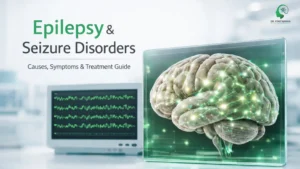
Epilepsy is a neurological disorder that causes recurring seizures due to abnormal electrical activity in the brain. With proper diagnosis and treatment, most people with epilepsy can live normal, active lives.
This guide explains everything you need to know in simple, clear language.
What Is Epilepsy?
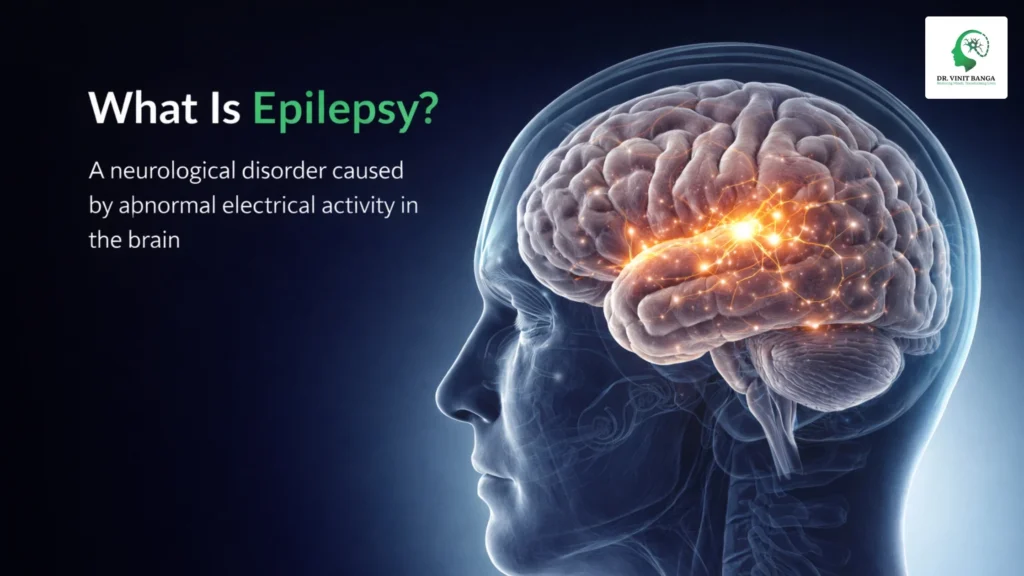
Epilepsy is a chronic neurological condition that causes repeated, unprovoked seizures.
A seizure happens when there is sudden, abnormal electrical activity in the brain.
Not every seizure means epilepsy. A person is usually diagnosed with epilepsy when they have:
- Two or more unprovoked seizures
- Seizures separated by at least 24 hours
In real-world neurological practice, many patients delay evaluation after the first seizure — which can delay proper treatment.
What Are Seizure Disorders?
Seizure disorders refer to conditions that cause repeated seizures. Epilepsy is the most common type, but seizures can also occur due to:
- Brain infections
- Stroke
- Head injury
- Brain tumors
- High fever (in children)
- Metabolic imbalance
Most clinics face this challenge: patients ignore early warning signs thinking it was “just weakness” or “stress.”
Types of Seizures
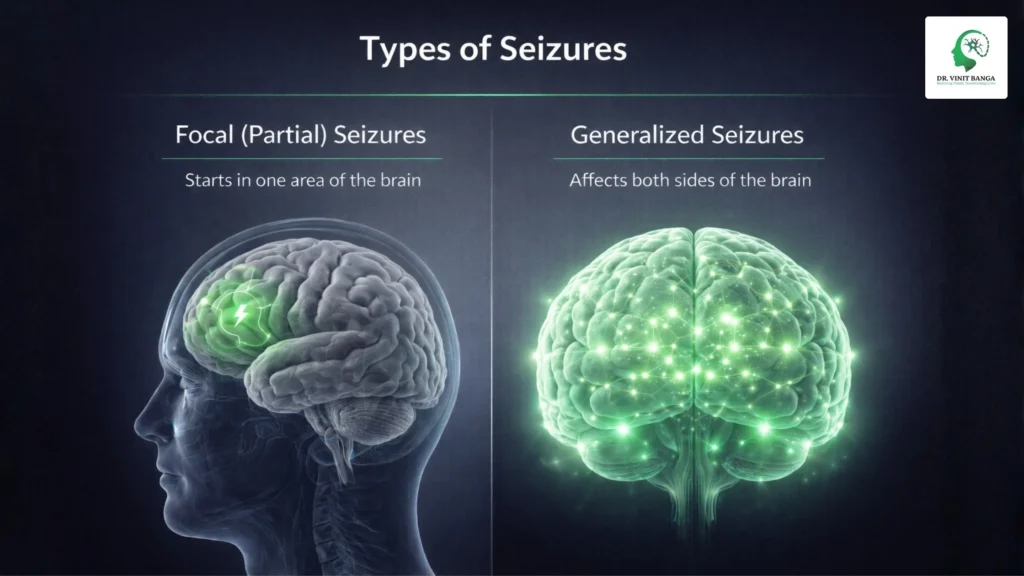
Seizures are broadly divided into two main types:
1: Focal (Partial) Seizures
These start in one area of the brain.
Symptoms may include:
- Sudden confusion
- Jerking of one body part
- Tingling sensations
- Unusual smells or tastes
- Brief loss of awareness
2: Generalized Seizures
These affect both sides of the brain.
Common types:
- Tonic-clonic (convulsions)
- Absence seizures (brief staring spells)
- Myoclonic seizures (sudden jerks)
- Atonic seizures (sudden loss of muscle tone)
Status epilepticus is a medical emergency where a seizure lasts longer than 5 minutes.
What Causes Epilepsy?
In many cases, the exact cause is unknown. However, common causes include:
- Genetic factors
- Brain injury
- Stroke
- Brain infections
- Developmental brain abnormalities
Based on industry experience, early brain imaging and EEG testing significantly improve accurate diagnosis.
Common Seizure Triggers
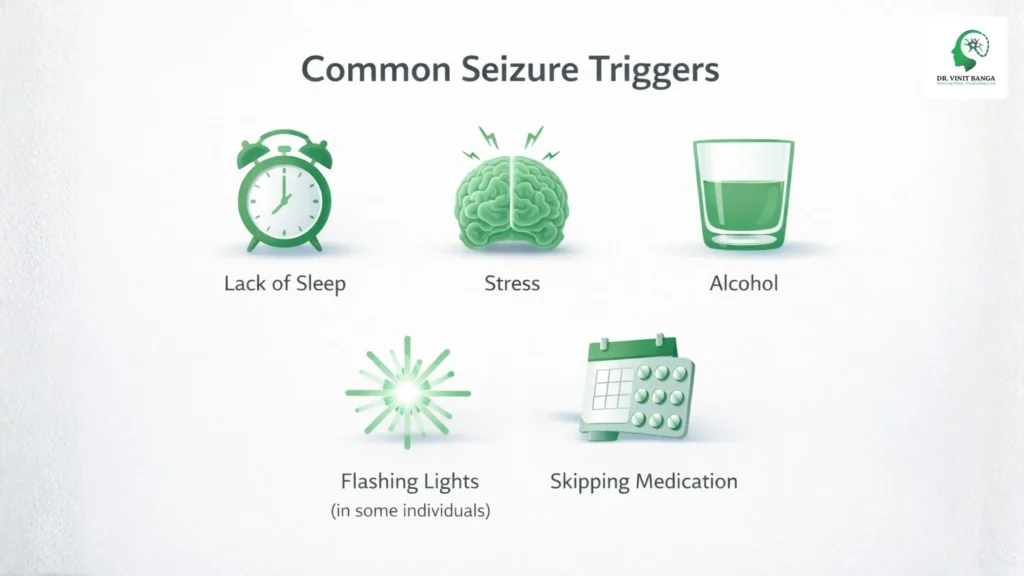
Even in diagnosed epilepsy, seizures may be triggered by:
- Lack of sleep
- Stress
- Alcohol
- Flashing lights (in some individuals)
- Skipping medication
Identifying triggers helps reduce recurrence.
How Is Epilepsy Diagnosed?
Diagnosis usually involves:
- Detailed medical history
- Neurological examination
- EEG (Electroencephalogram)
- MRI or CT scan
An EEG records electrical activity in the brain and helps confirm seizure patterns.
Accurate diagnosis is essential before starting long-term medication.
Treatment Options for Epilepsy
Treatment depends on seizure type and cause.
1️⃣ Medications
Anti-epileptic drugs (AEDs) are the first-line treatment.
Many patients become seizure-free with the right medication.
2️⃣ Lifestyle Modifications
- Regular sleep schedule
- Stress management
- Avoiding alcohol
- Medication adherence
3️⃣ Surgery (Selected Cases)
In drug-resistant epilepsy, surgery may be considered.
4️⃣ Vagus Nerve Stimulation (VNS)
Used in select cases when medications fail.
Seizure First Aid: What To Do
If someone is having a seizure:
- Stay calm
- Lay them on their side
- Remove nearby dangerous objects
- Do NOT put anything in their mouth
- Time the seizure
Call emergency care if:
- Seizure lasts more than 5 minutes
- Repeated seizures occur
- Breathing difficulty happens
[INTERNAL LINK: Stroke Warning Signs – related neurological emergency blog]
When Should You See a Neurologist?
Consult a neurologist if:
- You experience a first-time seizure
- Seizures are increasing
- Medication is not working
- There are new neurological symptoms
For comprehensive neurological assessment:
[INTERNAL LINK: Complete Guide to Neurological Care in Faridabad – pillar blog]
Early evaluation improves long-term outcomes significantly.
FAQ Section
1. Is epilepsy curable?
Epilepsy is usually manageable rather than curable. Many patients achieve seizure control with medication and proper medical supervision.
2. Can a person live a normal life with epilepsy?
Yes. With proper treatment, lifestyle adjustments, and regular follow-ups, most individuals lead normal and productive lives.
3. What is the difference between a seizure and epilepsy?
A seizure is a single event. Epilepsy is a condition characterized by recurrent, unprovoked seizures.
4. Are seizures always violent convulsions?
No. Some seizures involve brief staring spells, confusion, or subtle body jerks without full convulsions.
5. Is epilepsy hereditary?
In some cases, genetics may play a role. However, many patients have no family history.