Head pain is common. But not every headache is a migraine.
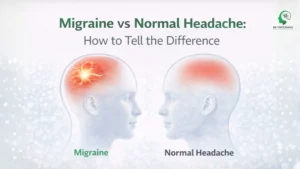
The key difference? Migraines are a neurological condition with specific symptoms, while normal headaches are usually mild to moderate and triggered by stress, dehydration, or fatigue.
If you’ve ever wondered which one you’re experiencing, this guide explains it clearly.
What Is a Normal Headache?
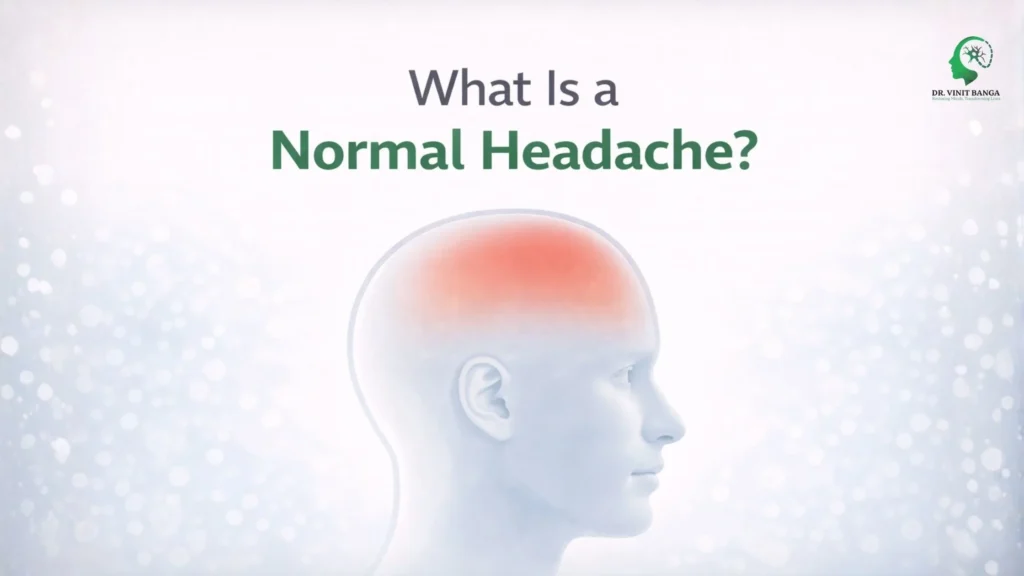
A normal headache — often called a tension headache — is the most common type.
Common Features:
- Dull, aching pain
- Pressure or tightness around the forehead
- Pain on both sides of the head
- Mild to moderate intensity
- No nausea or vomiting
Most people can continue daily activities with a normal headache.
Common Causes:
- Stress
- Lack of sleep
- Dehydration
- Long screen time
- Skipped meals
In real-world healthcare practices, tension headaches account for the majority of routine head pain complaints.
What Is a Migraine?
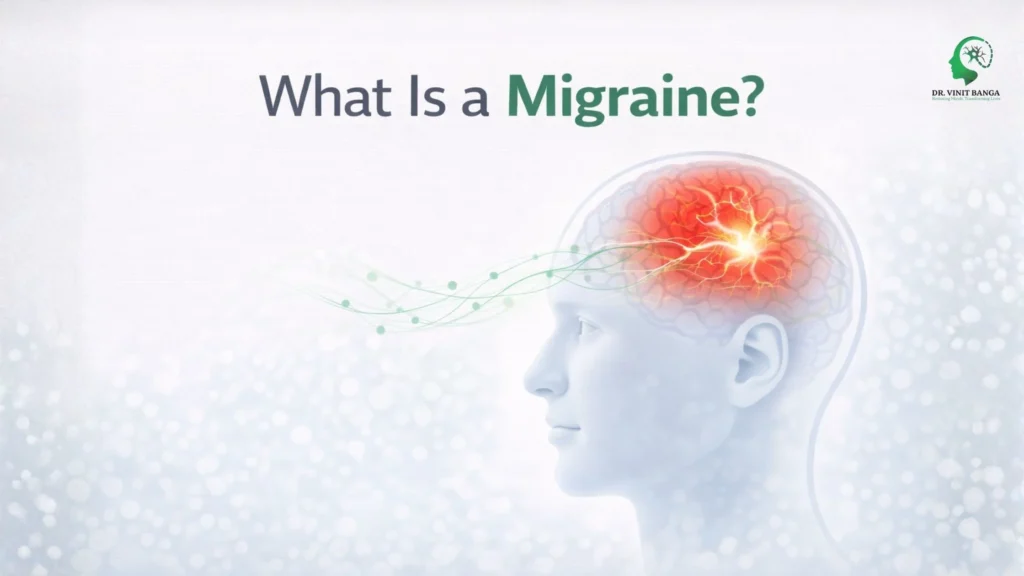
A migraine is a neurological disorder, not just a severe headache.
It often affects one side of the head and comes with additional symptoms.
Common Migraine Symptoms:
- Throbbing or pulsating pain
- Moderate to severe intensity
- Nausea or vomiting
- Sensitivity to sound
- Worsens with movement
Most clinics face this challenge — patients assume it’s “just a bad headache” when it is actually migraine.
Key Differences: Migraine vs Normal Headache
1. Pain Type
- Normal Headache: Dull, pressure-like pain
- Migraine: Throbbing or pulsating pain
2. Pain Location
- Normal Headache: Usually affects both sides of the head
- Migraine: Often affects one side (but can be both)
3. Pain Intensity
- Normal Headache: Mild to moderate
- Migraine: Moderate to severe
4. Nausea
- Normal Headache: Rare
- Migraine: Common and may include vomiting
5. Light Sensitivity
- Normal Headache: Usually absent
- Migraine: Common sensitivity to light and sound
6. Impact on Daily Activities
- Normal Headache: Most people can continue routine work
- Migraine: Often requires rest in a dark, quiet room
What Is Migraine Aura?
Some people experience warning symptoms before migraine pain starts.
This is called aura.
Aura Symptoms May Include:
- Flashing lights
- Zigzag lines
- Blurred vision
- Numbness in face or hand
- Difficulty speaking
Aura usually lasts 20–60 minutes before headache begins.
Based on industry experience, aura is often misdiagnosed as an eye problem or stress reaction.
When Should You See a Doctor?
Seek medical attention if:
- Headaches are frequent or worsening
- Pain is severe and sudden
- Headache follows head injury
- You experience confusion or weakness
- Over-the-counter medicines stop working
Early evaluation helps prevent chronic migraine development.
What Triggers Migraines?
Common triggers include:
- Hormonal changes
- Stress
- Lack of sleep
- Certain foods (processed meats, caffeine changes)
- Strong smells
- Bright lights
Tracking triggers in a headache diary can help in long-term management.
Can a Normal Headache Turn Into a Migraine?
Not exactly.
However:
- Untreated migraine may worsen
- Frequent painkiller use can cause rebound headaches
- Chronic stress may increase migraine frequency
Proper diagnosis is important.
FAQ Section
1. How do I know if my headache is a migraine?
If your headache includes nausea, light sensitivity, throbbing pain, or worsens with movement, it is more likely a migraine.
2. Is migraine more painful than a normal headache?
Yes. Migraines are usually moderate to severe and may stop daily activities, unlike typical tension headaches.
3. Can stress cause both migraine and normal headache?
Yes. Stress is a common trigger for tension headaches and can also trigger migraines in susceptible individuals.
4. Are migraines dangerous?
Most migraines are not life-threatening. However, sudden severe headache or neurological symptoms require urgent medical evaluation.
5. Can migraine be cured permanently?
There is no permanent cure, but proper treatment and trigger management can significantly reduce frequency and severity.