Stroke in young adults is no longer a rare occurrence. Traditionally seen as a condition affecting older individuals, stroke has become increasingly common among people in their 20s, 30s, and 40s. This rise is concerning because a stroke can impact not only health but also productivity, family life, and emotional well-being at a young age. Understanding the causes, symptoms, and preventive steps can make a real difference in saving lives and ensuring faster recovery.
If you’re searching for expert neurological care and stroke prevention guidance, consulting the Best Neuro Doctor in Faridabad, like Dr. Vinit Banga, can provide early diagnosis, effective treatment, and long-term support for brain health.
Understanding Stroke in Young Adults
A stroke happens when the blood supply to a part of the brain is interrupted, depriving brain cells of oxygen and nutrients. Without timely treatment, brain tissue can become damaged within minutes. While most strokes occur in older adults, stroke in young adults is a growing health concern worldwide due to modern lifestyle factors, chronic diseases, and genetic risks.
Young individuals often underestimate their vulnerability to stroke, assuming it’s an “old-age” problem. However, studies reveal that strokes in people under 45 account for nearly 10-15% of all cases globally. The aftermath can be devastating — from temporary weakness and speech problems to lifelong disabilities if not managed promptly.
Types of Stroke That Affect Young Adults
Understanding the type of stroke helps in recognizing its urgency and appropriate treatment. Stroke in young adults can occur in the following forms:
1. Ischemic Stroke
This type is the most common, caused by a blood clot blocking a brain artery. Clots can form due to:
- Atherosclerosis (narrowing of arteries)
- Heart rhythm disorders like atrial fibrillation
- Oral contraceptive use combined with smoking
- High cholesterol or uncontrolled diabetes
2. Hemorrhagic Stroke
A hemorrhagic stroke happens when a blood vessel ruptures and causes bleeding in or around the brain. Causes may include:
- High blood pressure
- Aneurysms or arteriovenous malformations (AVMs)
- Head injury
- Illicit drug use, such as cocaine or amphetamines
Both types require immediate medical attention to prevent permanent brain injury.
Why Are Strokes Rising Among Young Adults?
Stroke in young adults has multiple underlying factors, many linked to lifestyle and undiagnosed health conditions. Let’s explore the key causes behind this alarming trend.
1. Unhealthy Lifestyle Habits
Today’s fast-paced lifestyle promotes poor diet, stress, and physical inactivity. Junk food, high salt intake, and lack of regular exercise contribute to obesity and hypertension, both major stroke risk factors.
2. Smoking and Alcohol Use
Smoking damages blood vessels and accelerates plaque buildup, while excessive alcohol increases blood pressure and stroke risk. Young adults often overlook these habits as harmless, but they silently damage the cardiovascular system.
3. Stress and Mental Health Issues
Chronic stress, depression, and anxiety not only affect mental well-being but also increase inflammatory markers and blood pressure, contributing to stroke.
4. Uncontrolled Medical Conditions
Hypertension, diabetes, and high cholesterol are becoming increasingly common in younger populations. Many are unaware they even have these conditions until a stroke occurs.
5. Birth Control Pills and Hormonal Factors
For women, certain oral contraceptives can increase clot formation, especially when combined with smoking or migraines with aura.
6. Genetic and Autoimmune Disorders
Conditions like sickle cell anemia, lupus, or clotting disorders can cause stroke in young adults, especially if there’s a family history of vascular diseases.
7. Drug Abuse
Illicit drugs such as cocaine, methamphetamine, and ecstasy can cause blood vessel constriction and sudden spikes in blood pressure, leading to hemorrhagic stroke.
Symptoms of Stroke in Young Adults
Recognizing symptoms early can save brain function and even life. The signs of stroke in young adults are similar to those in older adults, but younger people often ignore them or delay seeking help.
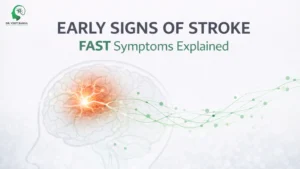
Use the FAST acronym to identify warning signs:
- F – Face Drooping: One side of the face may droop or feel numb.
- A – Arm Weakness: Difficulty lifting one arm or loss of coordination.
- S – Speech Difficulty: Slurred speech or trouble forming words.
- T – Time to Act: Seek immediate medical help—every minute counts.
Other possible symptoms include:
- Sudden confusion or difficulty understanding speech
- Vision loss in one or both eyes
- Sudden severe headache with no known cause
- Dizziness, balance loss, or difficulty walking
- Numbness or tingling on one side of the body
Ignoring these signs can lead to severe brain damage, so early recognition is critical.
How Stroke Differs in Young Adults
While the physiological mechanism of stroke is similar across ages, stroke in young adults differs in several ways:
- Delayed Diagnosis: Symptoms may be dismissed as migraine, fatigue, or stress.
- Different Risk Profiles: Lifestyle, genetic, and hormonal factors play a larger role.
- Better Recovery Potential: Younger brains have higher neuroplasticity, aiding rehabilitation.
- Higher Emotional Impact: The sudden disability affects careers, family responsibilities, and self-esteem more deeply.
Immediate Steps During a Stroke Emergency
When a stroke is suspected in a young adult:
- Call Emergency Services Immediately. Do not wait for symptoms to subside.
- Note the Time Symptoms Started. This helps doctors decide treatment options like clot-busting therapy.
- Avoid Giving Food or Drink. Swallowing may be impaired, causing choking.
- Keep the Person Comfortable. Support the head, ensure airway safety, and remain calm.
Timely intervention can mean the difference between full recovery and permanent disability.
Diagnosis of Stroke in Young Adults
When you visit the Best Neuro Doctor in Faridabad, you undergo detailed assessments to determine the cause and type of stroke. Diagnostic steps may include:
- CT Scan or MRI of the Brain: To confirm the type of stroke.
- Blood Tests: To check cholesterol, clotting factors, and sugar levels.
- Carotid Doppler Ultrasound: To detect blocked or narrowed arteries.
- Echocardiogram (ECG): To find heart rhythm abnormalities.
- Cerebral Angiography: To examine blood vessels in the brain.
Comprehensive evaluation ensures tailored treatment to prevent recurrence.
Treatment Options for Stroke in Young Adults
Once a stroke is confirmed, rapid treatment begins. The Best Neuro Doctor in Faridabad, such as Dr. Vinit Banga, uses advanced neurovascular techniques to restore blood flow and minimize brain damage.
1. Emergency Treatment
- Thrombolytic Therapy: Clot-dissolving medication (tPA) is given within 4.5 hours for ischemic stroke.
- Mechanical Thrombectomy: A minimally invasive procedure to remove clots from brain arteries.
- Surgical Intervention: For hemorrhagic strokes, surgery may control bleeding or repair a ruptured vessel.
2. Rehabilitation
After stabilization, rehabilitation focuses on:
- Physical therapy for muscle strength and balance
- Speech and occupational therapy for communication and daily activities
- Psychological counseling for emotional recovery
3. Long-Term Management
Managing risk factors is key to preventing another stroke:
- Regular follow-ups with a neurologist
- Medications for blood pressure, cholesterol, or blood thinners
- Lifestyle changes such as a healthy diet, exercise, and quitting smoking
Preventing Stroke in Young Adults
Prevention is the most powerful strategy to combat stroke. Here’s how young adults can take charge of their brain health.
1. Maintain a Healthy Lifestyle
Eat a balanced diet rich in fruits, vegetables, and whole grains. Avoid processed foods, reduce salt intake, and stay hydrated.
2. Exercise Regularly
At least 30 minutes of moderate exercise, five times a week, improves blood circulation and reduces stroke risk.
3. Monitor Health Conditions
Keep blood pressure, cholesterol, and sugar levels in check. Regular health checkups can catch silent conditions early.
4. Quit Smoking and Limit Alcohol
Tobacco damages arteries, while excessive alcohol raises blood pressure. Quitting both significantly reduces stroke risk.
5. Manage Stress
Chronic stress triggers inflammation and hormonal imbalance. Practice yoga, meditation, or mindfulness to calm the mind.
6. Be Cautious with Birth Control Pills
Women using hormonal contraception should consult a neurologist, especially if they smoke or have migraine with aura.
7. Stay Informed and Aware
Education plays a huge role. Knowing the early signs of stroke in young adults empowers timely action.
Life After a Stroke: Hope and Recovery
Recovery from a stroke can be challenging but highly achievable for young individuals. Early rehabilitation, a supportive environment, and expert medical care can restore independence and quality of life.
As a patient-centered neurologist, Dr. Vinit Banga, the Best Neuro Doctor in Faridabad, emphasizes personalized stroke recovery plans that combine medical excellence, therapy, and compassionate care. His expertise helps young stroke survivors return to their careers and lead fulfilling lives.
The Role of Family and Community Support
Stroke recovery extends beyond hospitals. Family involvement enhances motivation and mental well-being. Encouraging daily exercise, speech practice, and positive reinforcement speeds up recovery. Community awareness programs also play a crucial role in reducing stigma and educating others about prevention.
Future Outlook: Reducing Stroke Risk Among Youth
With growing awareness, early screening, and healthy living, stroke in young adults can be significantly reduced. Public health initiatives, digital health monitoring, and accessible neurology care are making prevention easier than ever.
FAQs on Stroke in Young Adults
1. Can young people really get strokes?
Yes, anyone can experience a stroke, regardless of age. Risk factors like stress, smoking, obesity, and genetic issues make young adults vulnerable.
2. What is the recovery time for young stroke patients?
Recovery varies based on the stroke’s severity, treatment speed, and rehabilitation. Many young adults regain independence within months with proper care.
3. Are migraines linked to strokes?
Yes, migraines with aura increase the risk of ischemic stroke, especially in women using hormonal contraceptives or who smoke.
4. How can I know if I’m at risk?
Get regular health checkups, especially if you have high blood pressure, diabetes, or a family history of stroke.
5. When should I visit a neurologist?
If you experience sudden weakness, speech problems, or vision changes, consult the Best Neuro Doctor in Faridabad immediately for accurate diagnosis and early treatment.
Conclusion
Stroke in young adults is a serious but preventable condition. By understanding its causes, recognizing early symptoms, and maintaining a healthy lifestyle, young individuals can safeguard their brain health and future. Prompt medical attention and long-term care under the guidance of a neurologist like Dr. Vinit Banga, the Best Neuro Doctor in Faridabad, ensure effective treatment and full recovery.