Guidelines for Chronic Neurological Disorders form the backbone of long-term recovery and quality-of-life improvement for patients living with persistent neurological conditions. These disorders affect the brain, spinal cord, and nerves, often leading to movement limitations, sensory loss, cognitive decline, and emotional challenges. Therefore, a structured rehabilitation approach plays a critical role in helping patients regain function, maintain independence, and prevent further deterioration.
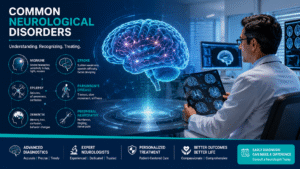
Chronic neurological disorders such as stroke, Parkinson’s disease, multiple sclerosis, epilepsy, neuropathy, spinal cord injuries, and traumatic brain injuries require continuous care rather than one-time treatment. Unlike acute neurological problems, these conditions demand long-term planning, consistent monitoring, and individualized rehabilitation strategies. Under the supervision of the Best Neurologist in Faridabad, patients can follow evidence-based rehabilitation guidelines tailored to their specific neurological needs.
Importance of Early Rehabilitation in Chronic Neurological Disorders
Early rehabilitation sets the foundation for better neurological outcomes. Once neurological damage occurs, the brain begins its natural healing and reorganization process, known as neuroplasticity. Rehabilitation therapies stimulate this process and help the brain form new neural connections. Moreover, starting rehabilitation early reduces complications such as muscle stiffness, joint deformities, pressure sores, respiratory issues, and psychological stress. Patients who delay rehabilitation often experience slower recovery and reduced functional independence. Therefore, neurologists strongly recommend initiating rehabilitation as soon as the patient’s medical condition stabilizes. Additionally, early intervention improves motivation and emotional well-being. When patients notice gradual improvements, they remain engaged and committed to their rehabilitation journey.
Comprehensive Assessment as the First Step
A detailed neurological assessment forms the cornerstone of effective rehabilitation guidelines. Every patient presents with unique symptoms, disease progression, and functional limitations. Hence, neurologists conduct thorough evaluations before designing a rehabilitation plan. This assessment includes motor strength testing, sensory evaluation, balance analysis, cognitive screening, speech assessment, and daily activity evaluation. Imaging studies, nerve conduction tests, and functional scoring tools further support accurate diagnosis and planning. The Best Neurologist in Faridabad ensures that rehabilitation goals remain realistic, measurable, and aligned with the patient’s lifestyle and expectations.
Individualized Rehabilitation Planning
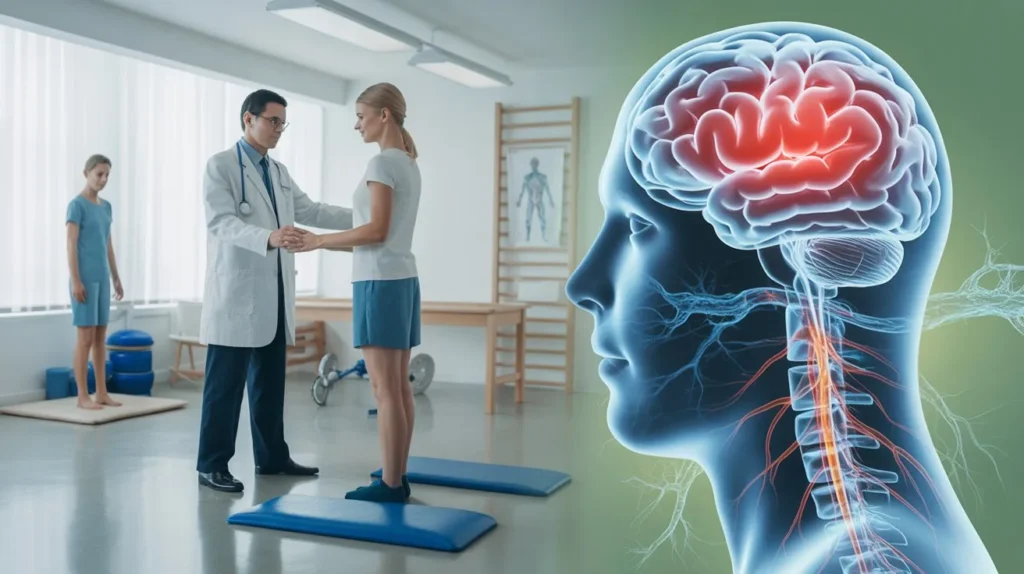
No single rehabilitation plan works for every neurological patient. Therefore, guidelines for chronic neurological disorders emphasize individualized treatment strategies. Personalized rehabilitation improves adherence and outcomes. Neurologists collaborate with physiotherapists, occupational therapists, speech therapists, psychologists, and rehabilitation nurses to create a multidisciplinary plan. This team approach addresses physical, cognitive, emotional, and social challenges simultaneously. Furthermore, rehabilitation goals evolve. Regular reassessment allows healthcare providers to modify therapy intensity, introduce new techniques, and address emerging symptoms.
Physical Therapy Guidelines for Chronic Neurological Disorders
Physical therapy plays a central role in neurological rehabilitation. It focuses on restoring movement, strength, coordination, and balance. Patients benefit from strength training, stretching exercises, gait training, posture correction, and endurance-building activities. For individuals with mobility impairments, assistive devices such as walkers, braces, or orthotics enhance safety and independence. Moreover, task-specific training helps patients relearn daily movements like standing, walking, and climbing stairs. Consistent physical therapy prevents muscle atrophy and joint stiffness, which commonly occur in chronic neurological conditions.
Occupational Therapy for Functional Independence
Occupational therapy improves a patient’s ability to perform daily activities independently. These activities include dressing, eating, bathing, writing, and household tasks. Therapists focus on adaptive techniques, energy conservation methods, and assistive tools. For instance, modified utensils, grip aids, and environmental adjustments make daily life easier for patients with hand weakness or tremors. Additionally, occupational therapy addresses cognitive challenges such as attention deficits, memory issues, and problem-solving difficulties. These interventions improve overall functionality and self-confidence.
Speech and Swallowing Rehabilitation
Many chronic neurological disorders affect speech, communication, and swallowing. Speech therapy remains essential in such cases. Speech therapists help patients improve articulation, voice control, language comprehension, and communication skills. They also train patients in alternative communication methods when verbal speech remains limited. Swallowing therapy prevents choking, aspiration pneumonia, and nutritional deficiencies. Therapists teach safe swallowing techniques, recommend dietary modifications, and strengthen swallowing muscles. Following these guidelines significantly improves patient safety and quality of life.
Cognitive Rehabilitation and Mental Health Support
Chronic neurological disorders often impact cognition and mental health. Patients may experience memory loss, attention deficits, depression, anxiety, or mood swings. Cognitive rehabilitation focuses on improving mental processing, attention span, executive function, and problem-solving skills. Therapists use structured exercises, memory aids, and real-life simulations. Equally important, psychological counseling supports emotional resilience. Chronic illness can lead to frustration and social isolation. Counseling, support groups, and stress-management strategies help patients cope effectively. Under the care of the Best Neurologist in Faridabad, mental health remains an integral part of neurological rehabilitation.
Medication Management Alongside Rehabilitation
Rehabilitation works best when combined with optimal medical management. Neurologists prescribe medications to control symptoms such as spasticity, pain, seizures, tremors, and neuropathic discomfort. Regular medication reviews ensure proper dosing and minimize side effects. Furthermore, neurologists adjust medications as rehabilitation progresses and patient needs change. Patients should never alter medications without professional guidance, as improper changes can worsen neurological symptoms.
Lifestyle Modifications for Long-Term Neurological Health
Lifestyle changes significantly influence rehabilitation outcomes. Guidelines for chronic neurological disorders strongly emphasize healthy habits. Balanced nutrition supports nerve health and muscle strength. Diets rich in antioxidants, omega-3 fatty acids, lean protein, and essential vitamins promote neurological recovery. Additionally, regular sleep improves brain function and emotional stability. Patients should follow consistent sleep schedules and avoid excessive screen time before bedtime. Stress management techniques such as meditation, breathing exercises, and mindfulness further enhance neurological resilience.
Role of Assistive Technology and Devices
Modern rehabilitation integrates assistive technologies to improve independence and safety. These devices include mobility aids, communication tools, and adaptive equipment. Technological advancements such as robotic therapy, virtual reality training, and neurofeedback enhance rehabilitation effectiveness. These tools provide real-time feedback and motivate patients through interactive therapy sessions. However, neurologists carefully select assistive devices based on individual needs, disease stage, and functional goals.
Family and Caregiver Involvement in Rehabilitation
Family support plays a vital role in successful rehabilitation. Caregivers assist with therapy adherence, emotional encouragement, and daily care activities. Neurologists and therapists educate caregivers on safe patient handling, exercise routines, and symptom monitoring. Proper caregiver training reduces burnout and improves patient outcomes. Open communication between healthcare providers and family members ensures continuity of care at home.
Monitoring Progress and Preventing Complications
Regular monitoring ensures that rehabilitation stays effective and safe. Neurologists track improvements in mobility, speech, cognition, and daily functioning. Additionally, early identification of complications such as infections, pressure sores, contractures, or mood changes allows timely intervention. Preventive strategies remain a key component of long-term rehabilitation guidelines. Patients should attend follow-up visits consistently to optimize outcomes.
Rehabilitation for Specific Chronic Neurological Disorders
Different neurological disorders require tailored rehabilitation approaches. Stroke rehabilitation focuses on motor recovery, speech improvement, and cognitive retraining. Parkinson’s disease rehabilitation emphasizes balance, posture, and movement coordination. Multiple sclerosis rehabilitation targets fatigue management, strength preservation, and mobility adaptation. Neuropathy rehabilitation focuses on sensory retraining and pain management. A specialized neurologist ensures that rehabilitation aligns with disease-specific needs and progression patterns.
Importance of Patient Education and Self-Management
Educated patients actively participate in their recovery. Neurologists provide clear guidance on exercise routines, symptom recognition, and lifestyle management. Self-management empowers patients to take control of their condition and reduces hospital visits. Educational programs, printed guides, and digital tools support long-term engagement. Patients who understand their condition remain more motivated and compliant with rehabilitation protocols.
Role of Community-Based Rehabilitation Programs
Community-based rehabilitation enhances accessibility and continuity of care. These programs allow patients to receive therapy closer to home while maintaining professional supervision. Group therapy sessions also promote social interaction and emotional support. Patients often feel encouraged when they share experiences with others facing similar challenges. The Best Neurologist in Faridabad often collaborates with community rehabilitation centers to ensure comprehensive care.
Long-Term Commitment to Rehabilitation
Chronic neurological disorders require long-term commitment rather than short-term treatment. Rehabilitation remains an ongoing process that adapts to disease progression and life changes. Consistency matters more than intensity. Regular, moderate therapy sessions produce better outcomes than sporadic, high-intensity efforts. Patients who maintain rehabilitation routines experience improved independence and reduced symptom severity over time.
Choosing the Right Neurologist for Rehabilitation Guidance
Selecting an experienced neurologist ensures accurate diagnosis, effective rehabilitation planning, and continuous support. Expertise, compassionate care, and multidisciplinary coordination define high-quality neurological rehabilitation. Patients seeking structured and evidence-based care should consult the Best Neurologist in Faridabad for comprehensive rehabilitation guidance tailored to chronic neurological disorders.
Conclusion: Moving Forward with Confidence
Guidelines for Chronic Neurological Disorders provide a structured roadmap for long-term recovery and improved quality of life. Through early intervention, personalized rehabilitation, multidisciplinary care, and lifestyle optimization, patients can achieve meaningful functional gains.