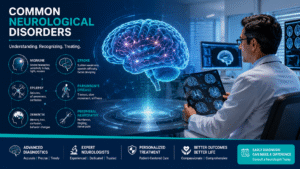
Your brain is the command center of your entire body — controlling every thought, movement, and emotion. When something feels “off” — like unexplained headaches, dizziness, memory loss, or nerve pain — you might wonder: Who should I consult? That’s where a neurologist comes in.
So, what is a neurologist? Simply put, a neurologist is a medical expert who diagnoses and treats disorders related to the brain, spinal cord, and nervous system. These specialists help manage a wide range of conditions — from migraines and epilepsy to Parkinson’s disease, multiple sclerosis, and stroke recovery.
In this blog, you’ll discover who neurologists are, what they do, when to see one, and how the Best Neurologist in Faridabad can help you maintain optimal brain and nerve health.
Understanding the Experts Behind Brain and Nerve Health
1. What Is a Neurologist? A Deep Dive Into Their Role
A neurologist is a doctor who focuses on the brain, spinal cord, and peripheral nerves. These systems communicate constantly — controlling how you move, think, and feel. Any disruption in this network can cause serious symptoms that require expert evaluation.
Neurologists are trained to identify such problems with precision. They use clinical skills, diagnostic tests, and imaging techniques to pinpoint the root cause of neurological symptoms.
Key Areas a Neurologist Covers:
- Brain Disorders: Stroke, epilepsy, brain infections, tumors, and migraines.
- Spinal Cord Issues: Back pain, nerve compression, or spinal injuries.
- Peripheral Nerve Disorders: Neuropathy, weakness, or tingling sensations.
- Movement Disorders: Parkinson’s disease, tremors, or dystonia.
- Cognitive Problems: Dementia, Alzheimer’s, or memory loss.
2. The Neurologist’s Training and Expertise
When we ask, “What is a neurologist?” we also need to understand their extensive medical journey. After earning a medical degree, a neurologist undergoes years of specialized training in neurology and sometimes in subfields like neurophysiology, stroke medicine, or neurorehabilitation.
Their Training Includes:
- Medical School: Foundation in general medicine.
- Residency: Intensive training in neurological disorders.
- Fellowship (optional): Super-specialization in areas like epilepsy, movement disorders, or neuromuscular medicine.
This level of expertise ensures that your neurologist understands the most intricate connections between the brain and the body. They don’t just treat symptoms — they uncover the underlying cause.

3. Common Conditions Treated by a Neurologist
Neurologists handle a wide range of disorders. Here are some of the most common:
1. Migraines and Headaches
Chronic headaches or migraines can impact your daily life. A neurologist identifies triggers and offers tailored treatment to reduce frequency and pain intensity.
2. Stroke
A stroke occurs when blood flow to the brain is interrupted. Neurologists are essential in stroke prevention, treatment, and rehabilitation, helping patients regain lost functions.
3. Epilepsy
People with epilepsy experience recurring seizures. Neurologists diagnose the type of epilepsy and design a medication or surgical plan to control seizures effectively.
4. Parkinson’s Disease
This progressive condition affects movement. Neurologists guide patients through medications, therapies, and lifestyle adjustments to maintain mobility and independence.
5. Dementia and Alzheimer’s
When memory loss becomes severe, neurologists assess cognitive function and create management plans to slow progression.
6. Neuropathy
If you experience tingling, burning, or weakness in your limbs, it could be nerve damage. Neurologists identify the affected nerves and treat the root cause.
4. When Should You See a Neurologist?
You don’t have to wait for severe symptoms. Sometimes, subtle warning signs can indicate neurological problems.
Key Signs You Should Consult a Neurologist:
- Frequent or severe headaches.
- Sudden dizziness, loss of balance, or coordination problems.
- Persistent numbness or tingling in hands or feet.
- Unexplained memory loss or confusion.
- Seizures or fainting spells.
- Difficulty speaking, swallowing, or walking.
If any of these symptoms sound familiar, it’s time to see a neurologist. Early diagnosis can prevent long-term complications and help you regain control of your health.
5. Diagnostic Tests Neurologists Use
To understand your condition, neurologists use advanced tools and technology.
Common Tests Include:
- MRI or CT Scan: Shows detailed images of the brain and spine.
- EEG (Electroencephalogram): Records brain activity and is useful in diagnosing epilepsy.
- Nerve Conduction Study: Measures how fast electrical signals move through your nerves.
- Lumbar Puncture: Tests spinal fluid to detect infections or autoimmune diseases.
These tests help neurologists accurately diagnose conditions and recommend the most effective treatment plans.
6. Treatments Offered by Neurologists
After a diagnosis, neurologists design a personalized treatment plan. This may include:
- Medications: For controlling symptoms like pain, seizures, or inflammation.
- Lifestyle Modifications: Diet, exercise, and sleep habits to support brain health.
- Physical Therapy: Helps improve balance, mobility, and strength.
- Advanced Interventions: Such as Botox for chronic migraine or nerve stimulation for epilepsy.
- Rehabilitation Programs: For stroke and movement disorders.
Each treatment plan focuses on long-term wellness, not just temporary relief.
7. How Neurologists Differ from Neurosurgeons
Many patients confuse neurologists with neurosurgeons. The difference lies in their approach.
- Neurologists treat conditions through medication, therapy, and lifestyle guidance.
- Neurosurgeons perform surgical procedures for severe conditions like brain tumors or spinal cord compression.
In many cases, both specialists work together to ensure a patient receives complete care.
8. The Importance of Choosing the Right Neurologist
Your nervous system is delicate. That’s why choosing an experienced, empathetic, and highly skilled neurologist is crucial.
The Best Neurologist in Faridabad not only diagnoses and treats neurological disorders but also educates patients about prevention and long-term management. With years of experience, advanced diagnostic tools, and patient-centered care, such a specialist ensures you get accurate treatment for complex neurological issues.
Whether it’s a chronic headache, nerve pain, or post-stroke recovery, the Best Neurologist in Faridabad offers compassionate, evidence-based solutions tailored to your unique health needs.
9. Tips to Maintain a Healthy Brain and Nervous System
A neurologist can treat diseases, but prevention starts with you. Here’s how to protect your brain health daily:
- Eat a Brain-Healthy Diet: Include omega-3 fats, leafy greens, and antioxidant-rich foods.
- Stay Physically Active: Regular exercise boosts blood flow to the brain.
- Prioritize Sleep: Deep sleep helps the brain repair and store memories.
- Manage Stress: Chronic stress harms nerve function — practice mindfulness or yoga.
- Stay Mentally Engaged: Read, solve puzzles, or learn new skills.
- Avoid Smoking and Limit Alcohol: These habits can damage brain cells.
- Regular Checkups: See your neurologist for follow-up visits if you have ongoing symptoms.
10. How the Best Neurologist in Faridabad Can Help You
If you’re facing persistent headaches, nerve pain, or dizziness, it’s time to seek professional advice. The Best Neurologist in Faridabad provides comprehensive neurological care — from diagnosis to recovery.
What You Can Expect:
- Accurate Diagnosis: Using advanced neuroimaging and tests.
- Personalized Treatment Plans: Tailored to your condition and lifestyle.
- Continuous Care: Focus on long-term management and prevention.
- Patient Education: Understand your condition clearly, without complex medical jargon.
Visiting a skilled neurologist can be the first step toward a healthier, stronger nervous system.
11. Why Early Diagnosis Matters
The nervous system is sensitive — even minor symptoms can indicate underlying problems. Early consultation helps in:
- Slowing disease progression.
- Preventing irreversible nerve damage.
- Enhancing recovery through timely therapy.
- Reducing the risk of complications.
Delaying treatment may worsen symptoms. That’s why listening to your body and consulting a neurologist early is vital.
12. The Future of Neurology: Technology and Innovation
Neurology is evolving rapidly, driven by innovations such as AI-driven diagnostics, brain imaging, and minimally invasive procedures.
Emerging Advances Include:
- Neuro-AI Tools: Early prediction of neurological diseases.
- Deep Brain Stimulation: Used for movement disorders like Parkinson’s.
- Virtual Neurorehabilitation: Helping stroke patients recover faster.
- Genetic Testing: Identifying hereditary nerve disorders.
These advancements are improving diagnosis accuracy and treatment outcomes worldwide.
Conclusion: Trust Your Brain to the Experts
Your brain is your most valuable asset — it controls who you are and how you function. Understanding what a neurologist is helps you recognize when and where to seek expert help.
If you’re dealing with symptoms like headaches, tingling, or dizziness, don’t ignore them. Consult the Best Neurologist in Faridabad to receive professional guidance, accurate diagnosis, and personalized treatment.
Remember, early attention to brain and nerve health ensures a stronger, more vibrant life.
Frequently Asked Questions (FAQs)
1. What is a neurologist, and what do they treat?
A neurologist is a doctor specializing in brain, spinal cord, and nerve disorders. They treat conditions like migraines, epilepsy, stroke, Parkinson’s disease, and neuropathy.
2. When should I see a neurologist?
You should see a neurologist if you have recurring headaches, memory issues, seizures, numbness, or balance problems. Early consultation prevents complications.
3. How does a neurologist diagnose problems?
Neurologists use tests such as MRI, CT scans, EEGs, and nerve conduction studies to identify the exact cause of your symptoms.
4. What’s the difference between a neurologist and a neurosurgeon?
Neurologists treat neurological issues with medication and therapy, while neurosurgeons perform surgery when required, such as for tumors or severe spinal injuries.
5. Who is the Best Neurologist in Faridabad?
Dr. Vinit Banga is widely regarded as the Best Neurologist in Faridabad, known for his expertise, compassionate care, and use of modern neurodiagnostic methods for accurate treatment.