Introduction: Understanding Your Brain, Nerves & Overall Neurological Health
The brain and nervous system control everything we do — from moving our hands and legs to speaking, thinking, remembering, and even maintaining balance. When something goes wrong in this system, it can affect daily life in many ways.
This guide focuses on Neurological Care in Faridabad, helping patients and families understand common brain and nerve problems in simple, clear language. It explains when to seek medical advice and how modern treatments can support better recovery.
Neurology is the branch of medicine that focuses on conditions related to the brain, spinal cord, and nerves. These conditions can range from common problems like headaches and dizziness to more serious issues such as stroke, epilepsy, memory loss, and nerve pain.
It also explains modern treatment approaches, including the role of an Interventional Neurologist in Faridabad in managing complex brain and blood vessel conditions.
What Does a Neurologist Do?
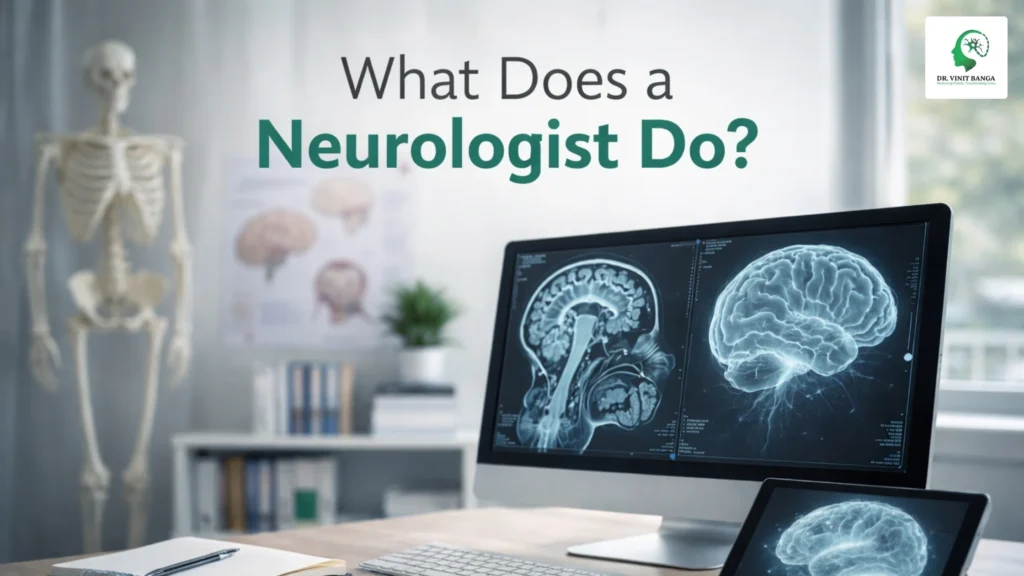
A neurologist is a doctor who specializes in diagnosing and treating conditions of the nervous system. This includes:
1- Brain-related problems such as stroke, headaches, and memory loss
2- Nerve disorders like tingling, numbness, and weakness
3- Movement problems such as tremors and Parkinson’s disease
4- Seizures and epilepsy
5- Balance and coordination issues
The goal of neurological care is not only to treat symptoms but also to identify the root cause and help patients maintain long-term brain and nerve health.
Conditions Commonly Treated in Neurological Care in Faridabad
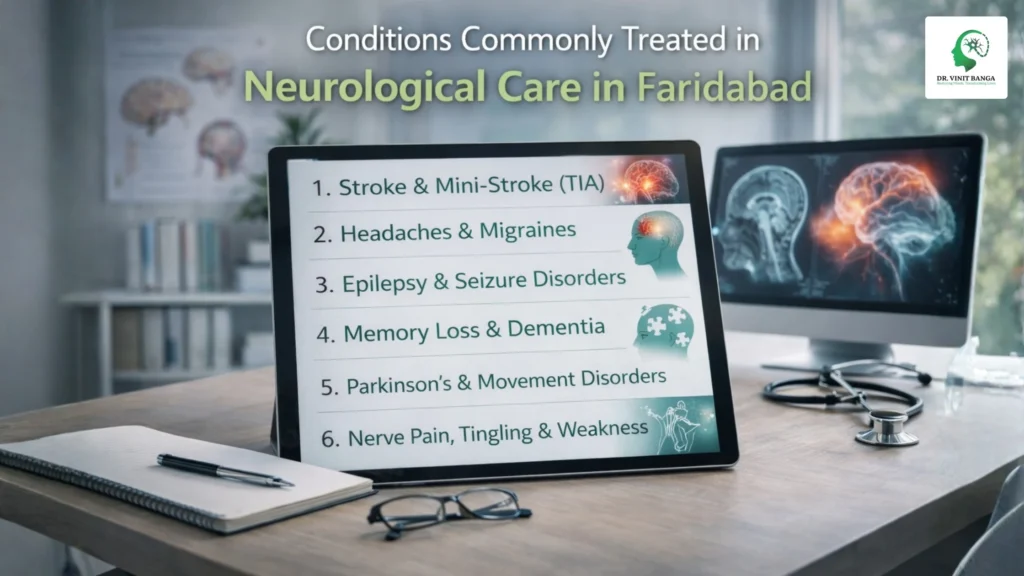
1. Stroke & Mini-Stroke (TIA)
A stroke happens when blood flow to a part of the brain is blocked or when a blood vessel in the brain bursts. This can lead to sudden weakness, speech problems, vision loss, or difficulty walking. Many families first learn about warning signs through simple guides like Early Signs of Stroke: FAST Symptoms Explained, which help people act quickly during an emergency.
A Transient Ischemic Attack (TIA), often called a mini-stroke, has similar symptoms but they go away within a short time. However, a TIA is a serious warning sign and should never be ignored. If you want to understand this better, Mini-Stroke (TIA): A Warning You Shouldn’t Ignore explains why early evaluation can prevent a major stroke.
For those who want to know what actually happens inside the brain during such events, What Happens During a Brain Stroke? offers a clearer picture of how blood flow affects brain function.
Early diagnosis and timely treatment can make a major difference in recovery and long-term outcomes.
2. Headaches & Migraines
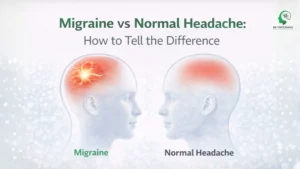
Not all headaches are the same. Some are caused by stress or dehydration, while others may be linked to neurological conditions. Many people begin by comparing symptoms through Migraine vs Normal Headache: How to Tell the Difference to understand whether their pain needs medical attention.
Migraines often come with:
(a) Throbbing head pain
(b) Sensitivity to light or sound
(c) Nausea or vomiting
Daily habits and environment can also play a role, which is why readers often explore Common Migraine Triggers and How to Avoid Them to reduce the frequency and intensity of attacks. When pain becomes persistent or starts affecting daily life, When Head Pain Needs a Neurologist helps clarify when professional advice may be needed.
3. Epilepsy & Seizure Disorders
Seizures occur due to sudden, abnormal electrical activity in the brain. Epilepsy is a condition where a person has repeated seizures over time.
With proper diagnosis, medication, and lifestyle guidance, many people with epilepsy can lead normal and active lives.
4. Memory Loss & Dementia
Occasional forgetfulness can be a part of aging, but consistent memory problems may point to conditions like dementia or Alzheimer’s disease. Many families start by reading Memory Loss: Normal Aging or Neurological Problem? to better understand what is expected and what may need medical attention.
Common signs include:
(a) Difficulty remembering recent events
(b) Confusion about time or place
(c) Trouble managing daily tasks
For a deeper look into age-related brain changes, Early Signs of Dementia in Older Adults provides helpful guidance on when to seek evaluation and how to plan supportive care.
5. Parkinson’s & Movement Disorders
Parkinson’s disease affects movement and can cause symptoms such as:
(a) Hand tremors
(b) Slow movement
(c) Muscle stiffness
(d) Balance problems
People often look for clear explanations through Parkinson’s Disease: Symptoms, Stages & Treatment to understand how the condition progresses over time. For those noticing shaking or unusual movements, Tremors: When to Be Concerned can help distinguish between harmless tremors and signs that need medical evaluation.
While there is no cure, proper medical care can help manage symptoms and improve quality of life.
6. Nerve Pain, Tingling & Weakness
Nerve-related symptoms can include:
(a) “Pins and needles” sensation
(b) Burning pain
(c) Muscle weakness
(d) Loss of sensation
Many patients begin by reading Nerve Pain, Tingling & Numbness Explained to understand why these sensations occur. Conditions such as diabetes or long-term nerve damage are often discussed in Peripheral Neuropathy: Causes & Treatment, which helps people learn about treatment options and lifestyle adjustments.
These may be caused by diabetes, spine problems, vitamin deficiencies, or nerve compression. Identifying the cause is the first step toward effective treatment.
Advanced Diagnosis & Medical Technology
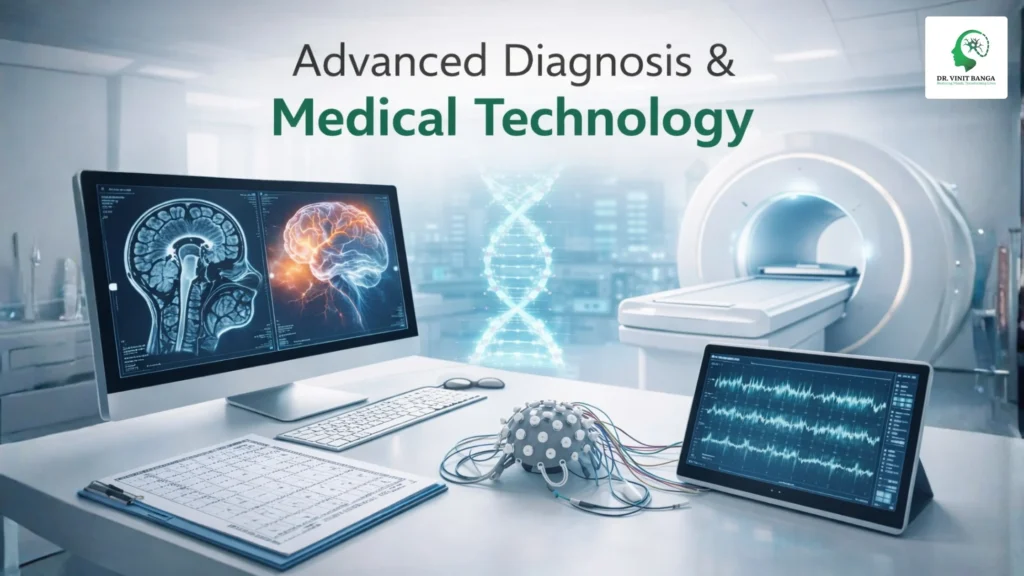
Accurate diagnosis is essential for effective neurological care. Some commonly used tests include:
(a) MRI & CT Scan: Create detailed images of the brain and spine
(b) EEG (Electroencephalogram): Records electrical activity of the brain, often used in seizure evaluation
(c) Nerve Conduction Studies: Check how well nerves send signals
(d) Brain Angiography: Helps visualize blood vessels in the brain
These tools help doctors understand the problem clearly and plan the most suitable treatment.
What Is Interventional Neurology?
Interventional Neurology is a specialized field that uses minimally invasive, image-guided procedures to treat conditions related to brain blood vessels and stroke. Many readers start with What Is Interventional Neurology? to get a simple overview of how these modern techniques work.
Instead of open surgery, doctors use small tubes (catheters) guided through blood vessels to reach the affected area. This approach often means:
(a) Smaller incisions
(b) Less pain
(c) Faster recovery
(d) Shorter hospital stays
People who want to learn about specific conditions often explore Brain Aneurysms: Symptoms & Treatment to understand risks and warning signs. To see how doctors view blood vessels in detail, How Brain Angiography Works explains the role of advanced imaging in planning precise treatment.
Stroke Care & the Importance of Time
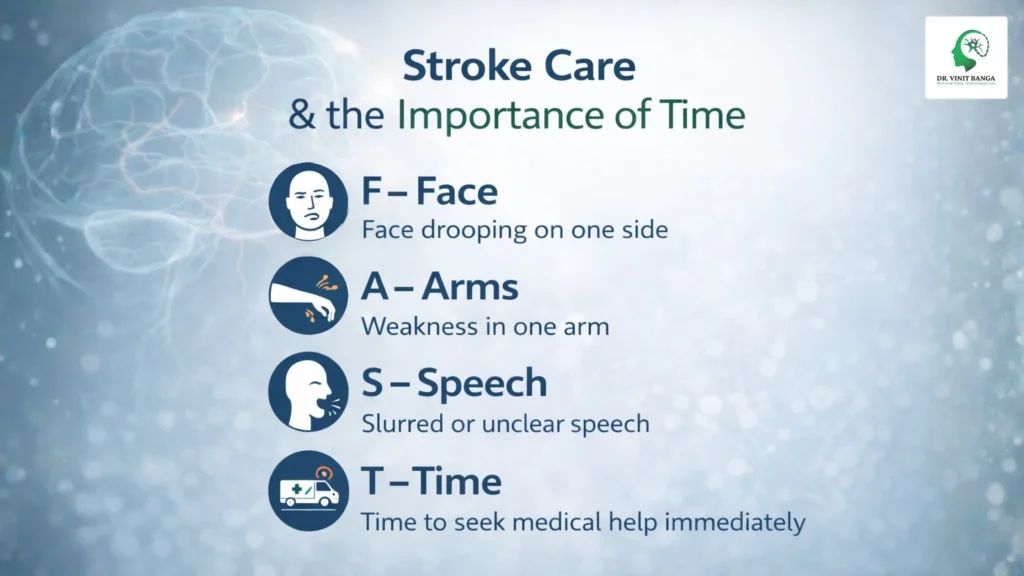
Stroke is a medical emergency. The faster treatment begins, the better the chances of saving brain function.
Remember FAST:
F – Face: Face drooping on one side
A – Arms: Weakness in one arm
S – Speech: Slurred or unclear speech
T – Time: Time to seek medical help immediately
Quick action can reduce long-term disability and improve recovery outcomes.
Patient Care Approach in Neurological Care in Faridabad
Neurological care is not just about tests and medicines. A patient-centered approach includes:
(a) Listening carefully to symptoms and concerns
(b) Explaining conditions in simple language
(c) Creating personalized treatment plans
(d) Regular follow-ups to track progress
(e) Guidance for lifestyle changes and rehabilitation
This approach helps patients and families feel informed, confident, and supported throughout the treatment journey.
Life in Motion: Why Brain & Nerve Health Matters in Faridabad
Faridabad moves at a fast, modern pace — with long workdays, daily travel, and busy family routines shaping everyday life. In the middle of this constant motion, people often overlook early signs of stress on the body and mind, such as frequent headaches, poor sleep, dizziness, or unexplained fatigue. Over time, these small signals can point toward deeper concerns related to brain and nerve health. This is why awareness and access to dependable neurological care in Faridabad matters — so individuals and families can seek timely guidance close to home, whether they are dealing with everyday discomforts or more complex neurological conditions that need careful attention and long-term planning.
Listening First: A Thoughtful Approach to Neurological Care
Dr(Prof) Vinit Banga is often recognized for an approach that places understanding before treatment. Care begins with listening — allowing patients and families to describe not just symptoms, but how those symptoms affect daily life, work, and emotional well-being. Medical explanations are shared in clear, simple language, helping people feel less overwhelmed by complex neurological terms and decisions. This style of care supports patients in becoming active participants in their own health journey, especially when managing conditions that require ongoing attention, patience, and trust over time.
Brain Health & Prevention Tips
Taking care of your brain can reduce the risk of many neurological problems:
(a) Maintain a balanced diet
(b) Stay physically active
(c) Manage stress and get proper sleep
(d) Control blood pressure and diabetes
(e) Avoid smoking and excessive alcohol
Small daily habits can make a big difference in long-term brain health.
Frequently Asked Questions (FAQs)
When should I see a neurologist?
If you experience repeated headaches, seizures, memory problems, numbness, weakness, or balance issues, it is a good idea to seek neurological advice.
Is migraine a serious condition?
Migraines are not usually life-threatening, but they can affect quality of life. Proper treatment can help manage symptoms effectively.
Can nerve pain be cured?
Treatment depends on the cause. Some nerve problems improve with medication and lifestyle changes, while others may need long-term management.
How long does stroke recovery take?
Recovery varies from person to person. Some improve within weeks, while others may take months with therapy and rehabilitation.
Final Thoughts
Understanding Neurological Care in Faridabad empowers patients and families to take timely action and make informed decisions. From managing common problems like headaches and dizziness to handling emergencies like stroke, early care and the right medical guidance can greatly improve outcomes.
Staying informed, proactive, and attentive to symptoms is the first step toward long-term brain and nerve wellness and better Neurological Care in Faridabad.