Neuropathy is a condition that occurs when the nerves outside the brain and spinal cord become damaged. These nerves are responsible for sending signals between the brain, spinal cord, and other parts of the body. When they are affected, it can lead to symptoms such as numbness, tingling, pain, and weakness—most commonly in the hands and feet.
Many people ignore early nerve symptoms, assuming they are temporary. However, untreated nerve damage can worsen over time and affect mobility, balance, and daily activities. Conditions such as diabetes, infections, vitamin deficiencies, and injuries can contribute to neuropathy.
Early diagnosis and expert care play a crucial role in preventing complications. Consulting an experienced neurologist can help identify the cause and provide appropriate treatment. Patients seeking Neuropathy Treatment in Faridabad often benefit from advanced neurological evaluation and personalized care provided by specialists such as Dr. Vinit Banga, who focuses on diagnosing and managing complex nerve disorders.
What is Neuropathy?
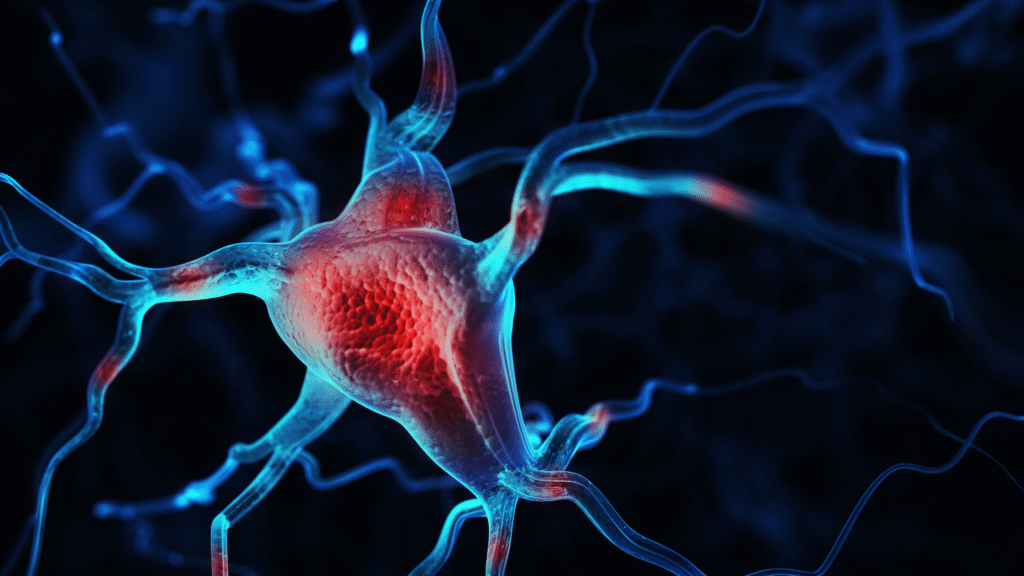
Neuropathy, also called peripheral neuropathy, occurs when peripheral nerves are damaged or irritated. These nerves control sensation, movement, and certain automatic body functions.
When nerve signals are disrupted, the brain may receive incorrect messages. For example, a person might feel pain without injury or lose sensation in certain areas.
Peripheral neuropathy commonly affects:
- Hands
- Feet
- Arms
- Legs
In severe cases, it can also affect internal organs controlled by the nervous system.
Common Causes of Neuropathy
Neuropathy can develop due to several medical conditions and lifestyle factors. Identifying the underlying cause is essential for effective treatment.
Some common causes include:
- Diabetes: One of the leading causes of nerve damage worldwide.
- Vitamin Deficiencies: Especially Vitamin B12 deficiency affecting nerve health.
- Alcohol Abuse: Long-term alcohol use can damage nerves.
- Infections: Conditions such as shingles, Lyme disease, and HIV.
- Autoimmune Disorders: Diseases where the immune system attacks nerves.
- Trauma or Injury: Accidents or pressure on nerves.
- Certain Medications: Some chemotherapy drugs may affect nerve function.
Consulting a Neuropathy Specialist in Faridabad can help determine the exact cause and guide the right treatment plan.
Types of Neuropathy
Neuropathy can affect different nerves in the body, leading to various types of nerve disorders.
Peripheral Neuropathy
This is the most common form and affects nerves responsible for sensation and movement in the hands and feet.
Diabetic Neuropathy
A complication of long-term diabetes is caused by high blood sugar levels damaging the nerves.
Autonomic Neuropathy
This type affects nerves controlling automatic body functions such as digestion, blood pressure, and heart rate.
Focal Neuropathy
It occurs when a single nerve or group of nerves is affected, causing sudden weakness or pain in a specific area.
Proximal Neuropathy
A rare type usually affecting the hips, thighs, or buttocks and causing severe pain and muscle weakness.
Understanding the specific type of neuropathy helps neurologists choose the most effective treatment approach.
Symptoms of Neuropathy
Symptoms of neuropathy may vary depending on which nerves are affected. They usually develop gradually and worsen over time if untreated.

Common symptoms include:
- Tingling sensation in hands or feet
- Numbness or reduced ability to feel pain
- Burning or sharp nerve pain
- Muscle weakness
- Sensitivity to touch
- Difficulty maintaining balance
- Loss of coordination
If these symptoms persist, it is important to consult a neurologist for evaluation and treatment of nerve damage.
How Neuropathy is Diagnosed
Proper diagnosis is essential for identifying the cause and severity of neuropathy.
Neurologists typically use several methods to evaluate nerve health:
- Neurological Examination: Checking reflexes, muscle strength, and sensory response.
- Nerve Conduction Studies: Measuring how fast electrical signals travel through nerves.
- Electromyography (EMG): Evaluating muscle response to nerve stimulation.
- Blood Tests: Detecting diabetes, vitamin deficiencies, or infections.
- Imaging Tests: In some cases, MRI or CT scans may be recommended.
These tests help specialists develop a personalized treatment plan for peripheral neuropathy.
Neuropathy Treatment Options
Treatment for neuropathy focuses on managing symptoms, slowing nerve damage, and treating the underlying cause.
Common treatment approaches include:
Medications
Doctors may prescribe medications to reduce nerve pain and inflammation.
Vitamin Therapy
If neuropathy is caused by a vitamin deficiency, supplements such as Vitamin B12 may be recommended.
Lifestyle Changes
Healthy lifestyle habits can support nerve recovery, including proper nutrition and regular exercise.
Physiotherapy
Physical therapy can help improve muscle strength, balance, and mobility.
Managing Underlying Conditions
Controlling diabetes, infections, or autoimmune diseases is essential to prevent further nerve damage.
Patients seeking Neuropathy Treatment in Faridabad often benefit from a comprehensive treatment plan tailored to their specific condition.
When Should You See a Neurologist?
You should consult a neurologist if you experience:

- Persistent numbness or tingling
- Burning or shooting pain in the limbs
- Muscle weakness
- Loss of balance or coordination
- Symptoms that gradually worsen
Early evaluation can prevent complications and improve treatment outcomes. Consulting an experienced Neuropathy Specialist in Faridabad ensures accurate diagnosis and effective care.
Prevention Tips for Healthy Nerves
While not all cases of neuropathy can be prevented, certain lifestyle habits can help protect nerve health.
Helpful prevention tips include:
- Maintain healthy blood sugar levels
- Eat a balanced diet rich in vitamins
- Avoid excessive alcohol consumption
- Stay physically active
- Manage chronic health conditions
- Schedule regular medical checkups
These steps can reduce the risk of nerve damage and support overall neurological health.
Why Choose Dr. Vinit Banga for Neuropathy Treatment
Choosing the right neurologist is important for managing complex nerve disorders effectively.
Dr. Vinit Banga is known for providing advanced neurological care and personalized treatment strategies for patients with nerve disorders.
Patients benefit from:
- Comprehensive neurological evaluation
- Advanced diagnostic techniques
- Personalized treatment plans
- Expertise in managing complex neurological conditions
- Patient-focused care and long-term management strategies
Consulting an experienced specialist can significantly improve the management of neuropathy and related nerve conditions.
Frequently Asked Questions
What is the main cause of neuropathy?
The most common cause of neuropathy is diabetes. High blood sugar levels over time can damage nerves, especially in the hands and feet. Other causes include vitamin deficiencies, infections, alcohol abuse, autoimmune diseases, and certain medications.
Can neuropathy be cured?
In some cases, neuropathy can improve if the underlying cause is treated early. For example, correcting vitamin deficiencies or managing diabetes may prevent further nerve damage. However, long-term nerve damage may require ongoing symptom management.
What are the early signs of nerve damage?
Early signs of neuropathy include tingling, numbness, burning sensations, and sensitivity to touch in the hands or feet. These symptoms may gradually worsen if not evaluated by a neurologist.
How is neuropathy treated?
Neuropathy treatment may involve medications, vitamin therapy, lifestyle changes, physiotherapy, and management of underlying conditions such as diabetes or infections.
Is neuropathy related to diabetes?
Yes. Diabetic neuropathy is one of the most common complications of diabetes. High blood sugar levels can damage nerves over time, particularly in the lower limbs.
When should I see a neurologist for neuropathy?
You should consult a neurologist if symptoms such as numbness, burning pain, or muscle weakness persist or worsen. Early diagnosis improves treatment outcomes and helps prevent complications.
Conclusion
Neuropathy is a nerve disorder that can significantly affect quality of life if left untreated. Symptoms such as numbness, tingling, and nerve pain should not be ignored, as they may indicate underlying nerve damage. Early diagnosis, proper evaluation, and timely treatment are essential for managing the condition effectively.
With the right medical care, many patients can control symptoms and prevent further nerve damage. Consulting an experienced neurologist ensures accurate diagnosis and access to appropriate treatment options.
If you or a loved one is experiencing symptoms of neuropathy, consider consulting Dr. Vinit Banga, the best neurologist in Faridabad, for expert evaluation and advanced neurological care. Early intervention can make a significant difference in maintaining healthy nerve function and overall well-being.