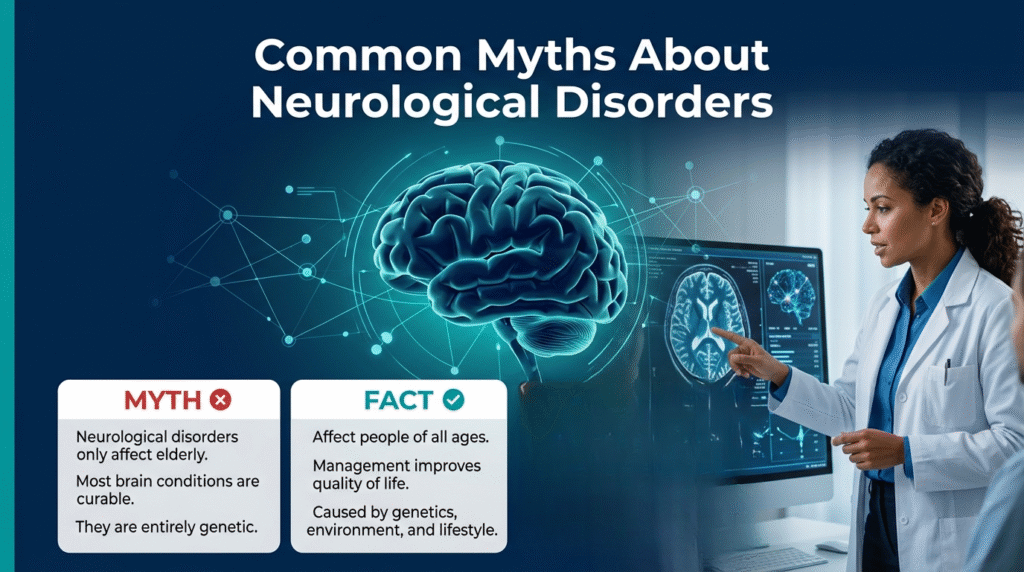
Myths About Neurological Disorders are very common and often create fear, confusion, and misunderstanding among patients and families. Many people believe neurological disorders only affect older adults or that symptoms like headaches and memory loss are always harmless. Unfortunately, such misconceptions can delay diagnosis and proper treatment.
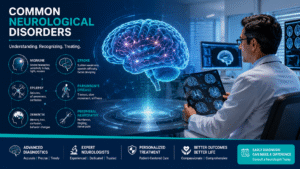
Neurological disorders affect the brain, spinal cord, and nerves, impacting millions of people worldwide. Conditions such as stroke, migraine, epilepsy, Parkinson’s disease, and dementia require timely medical attention and expert care.
Understanding the difference between myths and medical facts is important for protecting brain health and seeking treatment early. With proper awareness and guidance from experienced specialists like Dr. Vinit Banga, many neurological conditions can be effectively managed.
What Are Myths About Neurological Disorders?
Myths about neurological disorders are false beliefs or misunderstandings related to brain and nervous system conditions. These myths can prevent people from recognizing symptoms early and seeking timely treatment from a neurologist.
What Are Neurological Disorders?
Neurological disorders are medical conditions that affect the:
- Brain
- Spinal cord
- Nerves
- Nervous system
These conditions may affect movement, memory, speech, sensation, balance, and behavior.
Common neurological disorders include:
- Stroke
- Migraine
- Epilepsy
- Parkinson’s disease
- Dementia
- Multiple sclerosis
Some neurological conditions develop gradually, while others may occur suddenly and require emergency care.
Why Do Myths About Neurological Disorders Exist?
There are several reasons why misconceptions about neurological conditions continue to spread.
Lack of Awareness
Many people are unaware of early neurological symptoms and warning signs.
Social Stigma
Conditions affecting the brain are often misunderstood or associated with fear.
Internet Misinformation
Unverified online information can create confusion about symptoms and treatment.
Delayed Medical Consultation
People may ignore symptoms, believing they are normal or temporary.
Improving awareness helps patients seek medical care at the right time.
Common Myths About Neurological Disorders
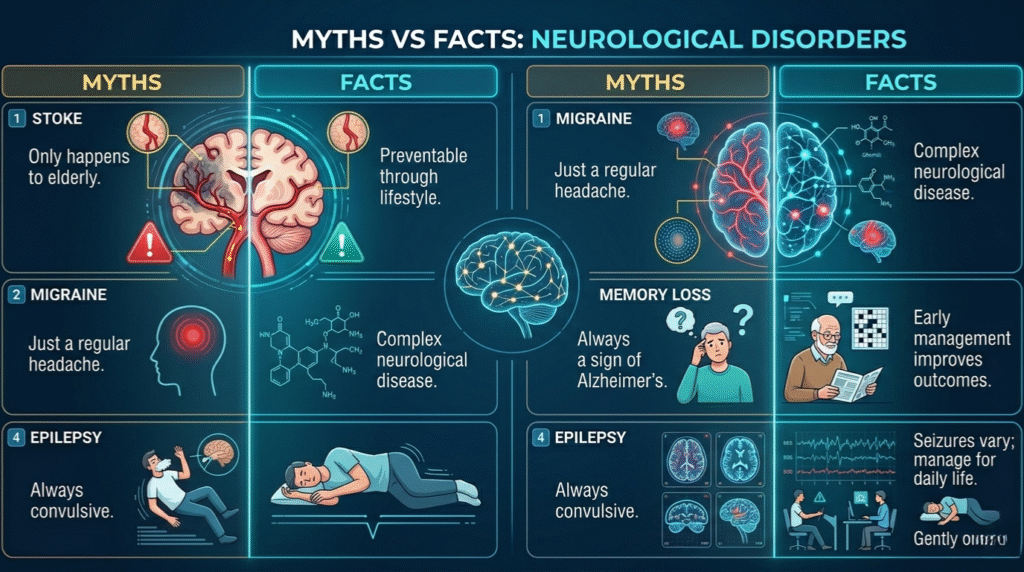
Myth 1 – Neurological Disorders Only Affect Older Adults
Fact:
Neurological disorders can affect people of all ages, including children and young adults. Conditions such as migraine, epilepsy, multiple sclerosis, and stroke can occur even in younger individuals.
Lifestyle habits, stress, genetics, and medical conditions may increase neurological risks at any age.
Myth 2 – Frequent Headaches Are Always Normal
Fact:
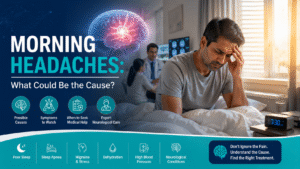
Occasional headaches may not be serious, but frequent or severe headaches should not be ignored. Recurring migraines or persistent headaches can indicate underlying neurological problems.
Warning signs include:
- Sudden severe headache
- Vision problems
- Numbness
- Vomiting
- Difficulty speaking
Consulting a neurologist is important if headaches become frequent or severe.
Myth 3 – Stroke Happens Only in Elderly People
Fact:
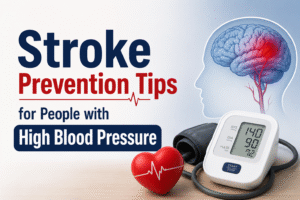
Stroke can affect younger adults as well. Factors such as high blood pressure, diabetes, smoking, obesity, stress, and heart disease can increase stroke risk in younger populations.
Recognizing symptoms early can save brain function and improve recovery.
Common Stroke Symptoms:
- Facial drooping
- Weakness on one side
- Slurred speech
- Sudden confusion
- Loss of balance
Myth 4 – Memory Loss Is Always Part of Aging
Fact:
Mild forgetfulness can occur with age, but severe or progressive memory loss may indicate dementia or Alzheimer’s disease.
Warning signs include:
- Repeating questions frequently
- Getting lost in familiar places
- Difficulty managing daily tasks
- Confusion about time or people
Early neurological evaluation is important for proper diagnosis.
Myth 5 – Epilepsy Is a Mental Illness
Fact:
Epilepsy is a neurological disorder caused by abnormal electrical activity in the brain. It is not a psychiatric condition.
With proper treatment and medication, many people with epilepsy can lead healthy and active lives.
Myth 6 – Neurological Disorders Cannot Be Treated
Fact:
Many neurological disorders can be effectively managed with early diagnosis, medications, rehabilitation, and advanced neurological care.
Modern treatment options help improve:
- Symptoms
- Recovery
- Quality of life
- Long-term outcomes
Early treatment is especially important in stroke and seizure disorders.
Myth 7 – Tremors Always Mean Parkinson’s Disease
Fact:
Not all tremors are caused by Parkinson’s disease. Tremors can occur due to:
- Stress
- Anxiety
- Thyroid disorders
- Medication side effects
- Essential tremor
A neurologist can determine the exact cause through proper evaluation.
Importance of Early Diagnosis in Neurological Disorders
Early diagnosis plays a crucial role in preventing complications and improving treatment success.
Benefits of Early Neurological Care
- Faster treatment
- Better symptom control
- Reduced complications
- Improved quality of life
- Better stroke recovery outcomes
Ignoring symptoms can delay treatment and worsen neurological damage.
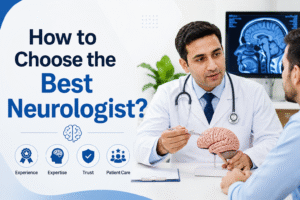
When Should You See a Neurologist?
You should consult a neurologist if you experience:
- Frequent headaches
- Memory problems
- Seizures
- Tremors
- Dizziness
- Weakness
- Numbness
- Difficulty speaking
- Balance problems
Persistent neurological symptoms should never be ignored.
Experienced specialists like Dr. Vinit Banga provide advanced neurological evaluation and personalized treatment plans for various brain and nerve disorders.
How Neurologists Diagnose Neurological Disorders
Neurologists use specialized tests and assessments to identify neurological conditions accurately.
Neurological Examination
A detailed clinical evaluation checks reflexes, movement, coordination, and cognitive function.
MRI & CT Scans
Brain imaging helps detect stroke, tumors, nerve damage, or structural abnormalities.
EEG Testing
EEG helps diagnose epilepsy and seizure-related conditions.
Cognitive Assessment
Memory and thinking abilities are evaluated through cognitive tests.
Blood Investigations
Blood tests may identify infections, vitamin deficiencies, or metabolic causes affecting brain health.
Tips to Maintain Neurological Health
Maintaining brain and nerve health can reduce the risk of neurological disorders.
Healthy Brain Habits
- Exercise regularly
- Sleep adequately
- Eat a balanced diet
- Manage stress
- Stay mentally active
- Control blood pressure and diabetes
- Avoid smoking and excessive alcohol use
Simple lifestyle changes can support long-term neurological wellness.
Why Choose Dr. Vinit Banga?
Dr. Vinit Banga is known for providing advanced neurological care with a patient-focused approach.
Patients benefit from:
- Expertise in interventional neurology
- Advanced stroke management
- Modern diagnostic techniques
- Personalized treatment plans
- Comprehensive neurological care
Timely consultation can help identify neurological conditions early and improve treatment outcomes.
FAQs
What are common myths about neurological disorders?
Common myths include beliefs that neurological disorders only affect older adults, that headaches are always harmless, or that neurological diseases cannot be treated.
Can young people develop neurological disorders?
Yes, neurological conditions such as migraine, epilepsy, stroke, and multiple sclerosis can affect younger individuals as well.
Is migraine a neurological condition?
Yes, migraine is a neurological disorder that affects brain activity and can cause severe headaches and other symptoms.
Are neurological disorders treatable?
Many neurological disorders can be managed effectively with medications, therapy, rehabilitation, and advanced neurological treatment.
When should I consult a neurologist?
You should see a neurologist if you experience persistent headaches, seizures, memory problems, tremors, dizziness, or weakness.
Are all tremors related to Parkinson’s disease?
No, tremors may occur due to stress, thyroid disorders, anxiety, medication side effects, or other neurological conditions.
Conclusion
Misconceptions and myths can prevent people from recognizing serious neurological symptoms and seeking medical care on time. Understanding the facts about neurological disorders helps improve awareness, early diagnosis, and treatment outcomes.
Symptoms such as persistent headaches, memory loss, tremors, or seizures should never be ignored. Consulting an experienced neurologist can help identify the underlying cause and ensure proper treatment.
If you or your loved one is experiencing neurological symptoms, consult Dr. Vinit Banga for expert neurological evaluation and advanced care.