When to See a Neurologist is a common question for people experiencing symptoms related to the brain, nerves, spine, or muscles. While occasional headaches or dizziness may not always indicate a serious issue, persistent neurological symptoms should never be ignored.
Neurological disorders can affect memory, movement, balance, speech, and overall quality of life. Early diagnosis and treatment are important for preventing complications and improving recovery outcomes. Conditions like stroke, migraine, epilepsy, nerve disorders, and Parkinson’s disease often require specialized neurological care.
Consulting an experienced neurologist such as Dr. Vinit Banga can help identify the cause of symptoms and provide advanced treatment tailored to the patient’s condition.
When Should You See a Neurologist?
You should see a neurologist if you experience symptoms such as severe headaches, dizziness, numbness, seizures, memory problems, muscle weakness, balance issues, or signs of stroke. A neurologist specializes in diagnosing and treating disorders affecting the brain, spinal cord, nerves, and muscles.
What Does a Neurologist Treat?
A neurologist diagnoses and manages a wide range of neurological conditions affecting the nervous system.
Common Conditions Treated by Neurologists
- Migraine and chronic headaches
- Stroke and brain hemorrhage
- Epilepsy and seizures
- Parkinson’s disease
- Dementia and memory disorders
- Neuropathy and nerve pain
- Multiple sclerosis
- Vertigo and dizziness
- Brain infections
- Muscle weakness disorders
Neurologists use advanced diagnostic techniques and treatment approaches to manage these conditions effectively.
Common Symptoms That Require a Neurologist
Certain symptoms may indicate an underlying neurological disorder and should not be ignored.
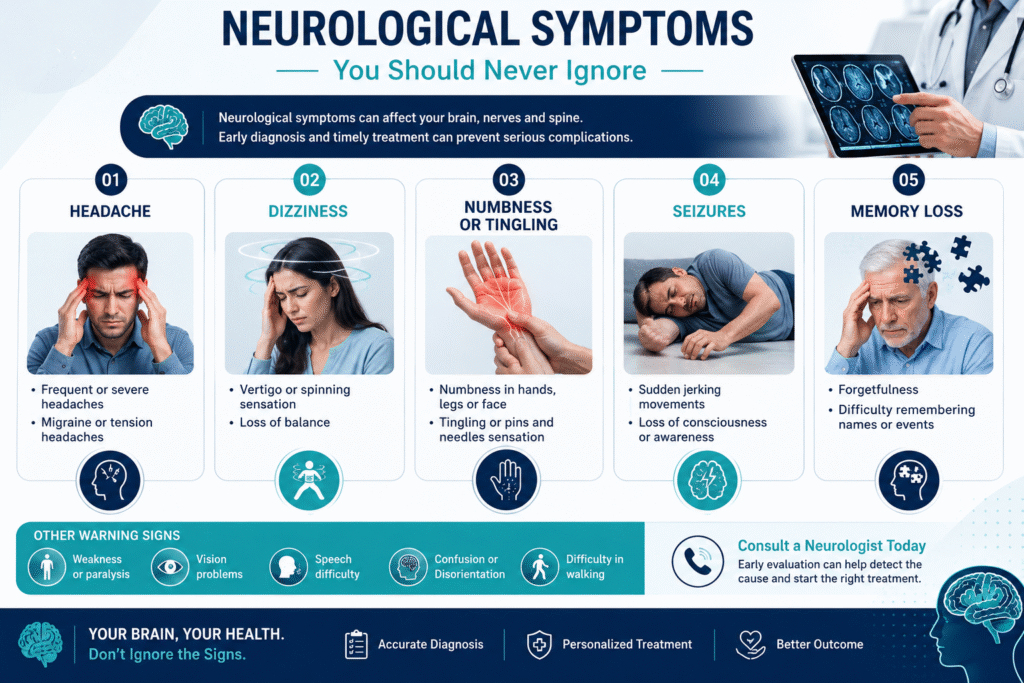
Frequent or Severe Headaches
Occasional headaches are common, but you should consult a neurologist if:
- Headaches become frequent
- Migraine attacks worsen
- Pain is severe or sudden
- Headaches are associated with vomiting or vision changes
Persistent headaches may indicate migraine, nerve disorders, or other neurological conditions.
Dizziness or Vertigo
Frequent dizziness or a spinning sensation may require neurological evaluation, especially if it affects balance and daily activities.

Signs to watch for:
- Recurrent vertigo
- Loss of balance
- Difficulty walking
- Dizziness with nausea
Numbness or Tingling
Numbness in the hands, legs, or face may result from nerve-related problems.
Neurological causes may include:
- Nerve compression
- Stroke
- Neuropathy
- Multiple sclerosis
Memory Problems
Forgetfulness that interferes with routine activities should be evaluated by a neurologist.
Warning signs include:
- Frequent confusion
- Difficulty remembering recent events
- Personality changes
- Trouble concentrating
Seizures
Seizures are abnormal electrical activities in the brain and always require medical attention.
Symptoms may include:
- Sudden jerking movements
- Temporary loss of consciousness
- Blank staring episodes
- Confusion after episodes
Weakness or Paralysis
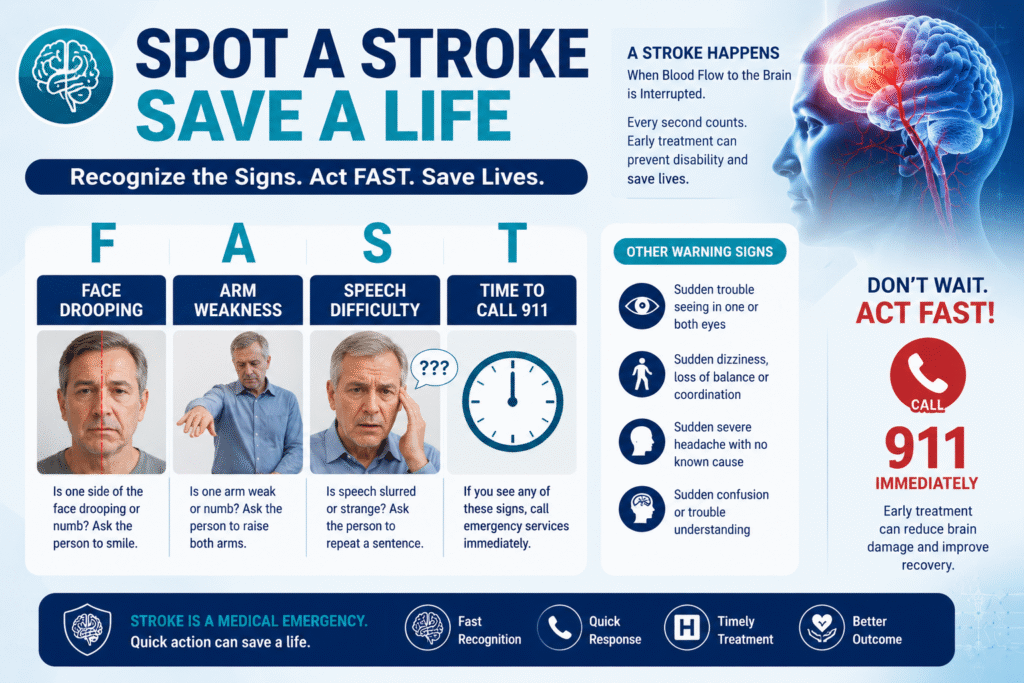
Sudden weakness in the arms, legs, or face may indicate a stroke or serious neurological emergency.
Seek immediate care if weakness occurs suddenly.
Signs You Should See a Neurologist Immediately
Some neurological symptoms require urgent medical attention.
Emergency Warning Signs
- Sudden speech difficulty
- Facial drooping
- Sudden weakness on one side
- Loss of vision
- Severe dizziness
- Sudden confusion
- Loss of consciousness
- Sudden severe headache
These may be symptoms of stroke or other life-threatening neurological conditions.
When to See a Neurologist for Headaches
Headaches can occur due to stress, dehydration, or lack of sleep. However, neurological evaluation is important if headaches:
- Occur frequently
- Become severe
- Disrupt daily life
- Occur with blurred vision
- Wake you from sleep
- Occur after a head injury
Migraine and chronic headache disorders often require specialized treatment from a neurologist.
When to See a Neurologist for Dizziness
Occasional dizziness may not be serious, but persistent vertigo or balance issues should be medically evaluated.
Consult a neurologist if dizziness:
- Happens repeatedly
- Causes falls
- Is associated with hearing changes
- Includes nausea or vomiting
- Affects coordination
Neurological conditions affecting the brain or inner ear can contribute to dizziness.
Neurological Disorders That Need Early Diagnosis
Early diagnosis improves treatment success and helps prevent complications.
Stroke
Timely stroke treatment can reduce brain damage and improve recovery.
Alzheimer’s Disease
Early management may help slow progression and improve quality of life.
Parkinson’s Disease
Early treatment can help manage tremors and movement symptoms effectively.
Epilepsy
Proper seizure management reduces risks and improves daily functioning.
Brain Tumors
Early detection allows faster intervention and better treatment planning.
How a Neurologist Diagnoses Neurological Conditions
Neurologists use advanced diagnostic methods to identify neurological disorders accurately.
Neurological Examination
Assessment of reflexes, coordination, balance, and cognitive function.
MRI Brain
Detailed imaging to identify stroke, tumors, or structural abnormalities.
CT Scan
Useful for emergency evaluation of brain injuries and bleeding.
EEG
Measures electrical activity in the brain and helps diagnose seizures.
Nerve Conduction Studies
Evaluate nerve and muscle function in neuropathy-related conditions.
Benefits of Early Neurological Treatment
Seeking neurological care early offers several benefits.
Faster Diagnosis
Early evaluation helps identify problems before complications develop.
Better Recovery
Prompt treatment improves outcomes in conditions like stroke and epilepsy.
Reduced Complications
Timely management prevents worsening neurological damage.
Improved Quality of Life
Treatment helps patients maintain independence and daily functioning.
Why Choose Dr. Vinit Banga?
Dr. Vinit Banga is known for providing advanced neurological care with a patient-focused approach.
Patients benefit from:
- Expertise in Interventional Neurology
- Advanced stroke management
- Modern diagnostic techniques
- Personalized treatment plans
- Comprehensive neurological care
His experience in treating complex neurological disorders helps patients receive accurate diagnoses and effective treatment.
FAQs
What symptoms require a neurologist?
Symptoms such as severe headaches, dizziness, numbness, seizures, memory problems, weakness, and balance issues may require neurological evaluation.
Should I see a neurologist for headaches?
Yes, you should consult a neurologist if headaches are severe, frequent, associated with vomiting, or interfere with daily activities.
Can dizziness be neurological?
Yes, dizziness and vertigo may occur due to neurological disorders affecting the brain, nerves, or balance systems.
When should I worry about numbness?
Sudden or persistent numbness, especially on one side of the body, should be medically evaluated immediately.
What diseases do neurologists treat?
Neurologists treat conditions like stroke, migraine, epilepsy, dementia, Parkinson’s disease, neuropathy, and multiple sclerosis.
Is memory loss a neurological problem?
Memory loss can occur due to aging, stress, or neurological disorders such as dementia and Alzheimer’s disease.
What tests does a neurologist perform?
Neurologists may recommend MRI scans, CT scans, EEG tests, neurological exams, and nerve conduction studies.
Conclusion
Recognizing neurological symptoms early is essential for timely diagnosis and effective treatment. Symptoms such as persistent headaches, dizziness, numbness, seizures, memory loss, or sudden weakness should never be ignored.
Consulting an experienced neurologist can help identify the underlying cause and prevent serious complications. Early treatment often leads to better recovery and improved quality of life.
If you are experiencing neurological symptoms, consult Dr. Vinit Banga for expert neurological evaluation and advanced treatment options.