Weakness in the arms or legs can affect people of all ages and may interfere with daily activities such as walking, climbing stairs, writing, or lifting objects. Some people experience mild weakness occasionally, while others may suddenly lose strength in one part of the body. In certain cases, weakness in limbs may indicate an underlying neurological disorder involving the brain, nerves, spinal cord, or muscles.
Recognizing the warning signs and understanding the possible causes can help ensure timely diagnosis and treatment.
What is a weakness in Limbs?
Weakness in limbs refers to reduced muscle strength in the arms or legs. People may feel that their limbs are heavy, difficult to move, or unable to perform normal activities properly.

Temporary vs Persistent Weakness
Temporary weakness may occur after intense physical activity, lack of sleep, dehydration, or illness. This type of weakness usually improves with rest and recovery.
Persistent or worsening weakness, however, may indicate an underlying medical or neurological condition and should be evaluated by a doctor.
Common Symptoms Associated with Limb Weakness
Limb weakness may occur along with other symptoms such as:
- Difficulty walking
- Trouble climbing stairs
- Poor grip strength
- Balance problems
- Numbness or tingling
- Muscle cramps
- Difficulty lifting objects
- Coordination problems
The combination of symptoms often helps doctors identify the underlying cause.
Can Weakness in Limbs Be a Brain Problem?
Yes, several brain-related conditions can cause weakness in the arms or legs.
Stroke
A stroke occurs when the blood supply to a part of the brain is interrupted. One of the most common symptoms of stroke is sudden weakness on one side of the body.
Warning signs of stroke include:
- Facial drooping
- Slurred speech
- Sudden confusion
- Difficulty walking
- Loss of balance
Stroke is a medical emergency and requires immediate treatment.
Brain Tumor
A brain tumor may gradually cause weakness in the limbs, especially if it affects areas of the brain responsible for movement. Symptoms may also include headaches, seizures, and vision problems.
Multiple Sclerosis
Multiple sclerosis is an autoimmune neurological disorder that damages the protective covering of nerves. It can cause limb weakness, numbness, fatigue, and coordination difficulties.
Parkinson’s Disease
Parkinson’s disease primarily affects movement and may lead to muscle stiffness, slowed movements, tremors, and weakness over time.
Can Weakness in Limbs Be a Nerve Problem?
Nerve-related disorders are another common cause of limb weakness.
Peripheral Neuropathy
Peripheral neuropathy occurs when peripheral nerves are damaged. Diabetes is one of the most common causes. Patients may experience weakness, numbness, burning sensations, or tingling in the hands and feet.
Cervical or Lumbar Spine Problems
Problems such as slipped discs or spinal degeneration can compress nerves in the neck or lower back, leading to weakness in the arms or legs.
Sciatica
Sciatica occurs when the sciatic nerve becomes irritated or compressed. It can cause leg pain, numbness, and weakness.
Guillain-Barré Syndrome
Guillain-Barré Syndrome is a rare neurological condition where the immune system attacks the nerves. It often causes rapidly progressing weakness starting in the legs and may become life-threatening if not treated promptly.
Other Possible Causes of Limb Weakness
Not all cases of limb weakness are caused by neurological disorders. Other possible causes include:
- Vitamin B12 deficiency
- Electrolyte imbalance
- Muscle diseases
- Autoimmune disorders
- Severe infections
- Side effects of certain medications
- Poor nutrition
A proper medical evaluation helps determine the exact cause.
Warning Signs You Should Not Ignore
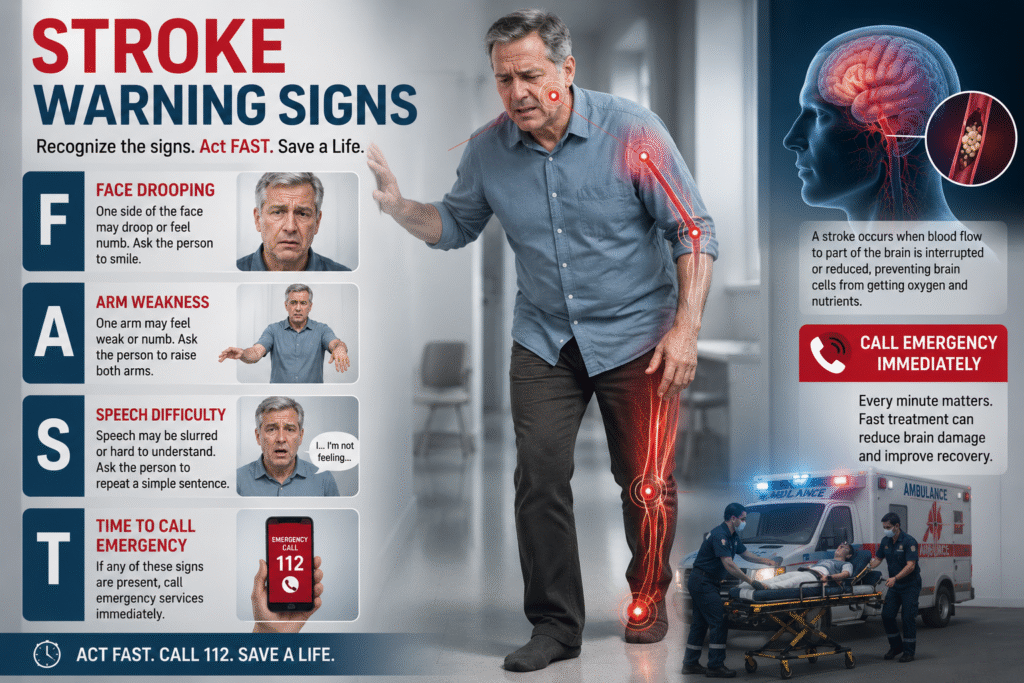
Some symptoms associated with limb weakness require urgent medical attention.
Seek immediate medical care if weakness is accompanied by:
- Sudden onset of symptoms
- Difficulty speaking
- Facial drooping
- Vision loss
- Difficulty breathing
- Loss of balance
- Rapid worsening of weakness
- Loss of consciousness
These symptoms may indicate a serious neurological emergency.
How Neurologists Diagnose Weakness in Limbs
Neurologists use detailed examinations and tests to identify the cause of limb weakness.
Medical History and Physical Examination
Doctors ask about symptom duration, progression, associated symptoms, and medical history.
Neurological Examination
A neurological examination checks muscle strength, reflexes, coordination, sensation, and balance.
MRI or CT Scan
Brain and spine imaging helps detect conditions such as stroke, tumors, spinal cord compression, or multiple sclerosis.
Nerve Conduction Studies (NCV/EMG)
These tests evaluate nerve and muscle function and help diagnose neuropathy or muscle disorders.
Blood Tests
Blood tests may identify infections, vitamin deficiencies, autoimmune conditions, or metabolic problems.
Treatment for Weakness in Limbs
Treatment depends on the underlying cause.
Medications
Doctors may prescribe medications to treat neurological disorders, infections, inflammation, or nerve pain.
Physiotherapy and Rehabilitation
Physical therapy helps improve strength, balance, coordination, and mobility.
Treatment of Underlying Neurological Disorders
Conditions such as stroke, multiple sclerosis, or nerve compression require targeted treatment plans.
Lifestyle and Nutritional Support
Healthy nutrition, proper hydration, exercise, and management of chronic diseases can support recovery and prevent worsening symptoms.
When Should You See a Neurologist?
You should consult a neurologist if:
- Weakness persists for several days
- Symptoms are worsening
- Weakness affects daily activities
- There is numbness or tingling
- Speech or vision changes occur
- Weakness appears suddenly
- You experience repeated episodes
Early neurological evaluation can help diagnose serious conditions before complications develop.
Tips to Prevent Neurological Weakness

Certain healthy habits may reduce the risk of neurological problems.
- Control blood sugar and blood pressure
- Eat a balanced diet rich in vitamins
- Exercise regularly
- Maintain healthy sleep habits
- Avoid smoking and excessive alcohol consumption
- Seek medical care for chronic health conditions
Frequently Asked Questions
Is weakness in limbs a sign of stroke?
Yes, sudden weakness on one side of the body can be a warning sign of stroke and requires emergency medical attention.
Can nerve damage cause weakness in arms and legs?
Yes, damaged nerves can reduce muscle strength and lead to weakness, numbness, or tingling sensations.
When is limb weakness considered serious?
Limb weakness is considered serious when it occurs suddenly, worsens rapidly, or is associated with speech problems, facial drooping, or breathing difficulty.
Which doctor should I consult for limb weakness?
A neurologist is the most appropriate specialist for evaluating weakness related to the brain, nerves, spinal cord, or muscles.
Can a vitamin deficiency cause weakness in limbs?
Yes, deficiencies such as low Vitamin B12 can affect nerve function and cause weakness or numbness.
Conclusion
Weakness in limbs can result from problems involving the brain, nerves, muscles, or spinal cord. While some causes may be temporary and harmless, others can indicate serious neurological conditions that require immediate attention.
Persistent, sudden, or worsening weakness should never be ignored. Early diagnosis and proper treatment by a neurologist can help improve recovery, prevent complications, and restore quality of life.