Morning Headaches are a common problem that can affect your mood, productivity, and overall well-being. Waking up with a headache occasionally may not be a cause for concern, especially after a poor night’s sleep or dehydration. However, frequent or severe morning headaches can sometimes indicate an underlying medical condition that requires attention.
Several factors can contribute to morning headaches, including sleep disorders, stress, migraines, high blood pressure, medication overuse, and certain neurological conditions. Understanding the root cause is essential for effective treatment and prevention.
If morning headaches occur regularly or are accompanied by other symptoms such as dizziness, vision changes, numbness, or weakness, it is important to seek professional medical evaluation. Early diagnosis can help identify the underlying cause and improve your quality of life.
What Causes Morning Headaches?
Morning headaches can result from poor sleep quality, sleep apnea, migraines, stress, dehydration, teeth grinding, high blood pressure, medication overuse, or neurological disorders. Identifying the specific cause is crucial for selecting the most appropriate treatment and preventing future episodes.
What Are Morning Headaches?
Morning headaches are headaches that occur immediately upon waking or within the first few hours after getting out of bed. They can range from mild discomfort to severe pain and may occur occasionally or regularly.
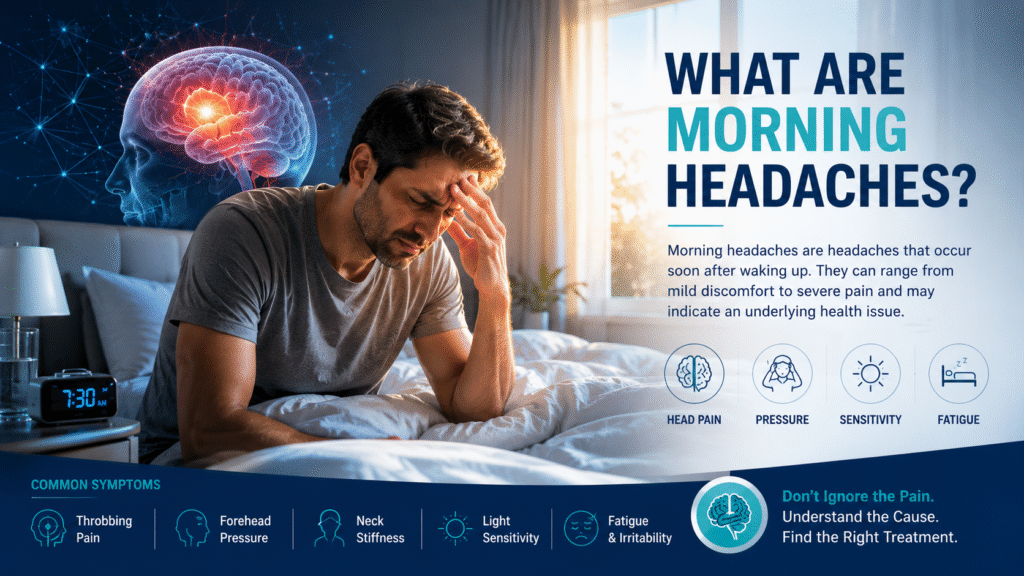
Common symptoms include:
- Dull or throbbing head pain
- Pressure around the forehead or temples
- Neck stiffness
- Fatigue upon waking
- Sensitivity to light or sound
- Difficulty concentrating
The pattern, location, and severity of the headache often provide clues about the underlying cause.
Common Causes of Morning Headaches
Poor Sleep Quality
One of the most common causes of morning headaches is inadequate or poor-quality sleep.
Sleep-related factors include:
- Insomnia
- Frequent nighttime awakenings
- Irregular sleep schedules
- Sleeping too much or too little
When the brain does not receive adequate restorative sleep, headaches may develop upon waking.
Sleep Apnea
Sleep apnea is a condition in which breathing repeatedly stops and starts during sleep.
Symptoms may include:
- Loud snoring
- Daytime fatigue
- Morning headaches
- Dry mouth upon waking
Reduced oxygen levels during sleep can trigger headaches and increase the risk of cardiovascular and neurological complications.
Teeth Grinding (Bruxism)
Many people unknowingly grind or clench their teeth while sleeping.
This can lead to:
- Jaw pain
- Facial discomfort
- Tension headaches
- Morning headaches
Bruxism often occurs during periods of stress or anxiety.
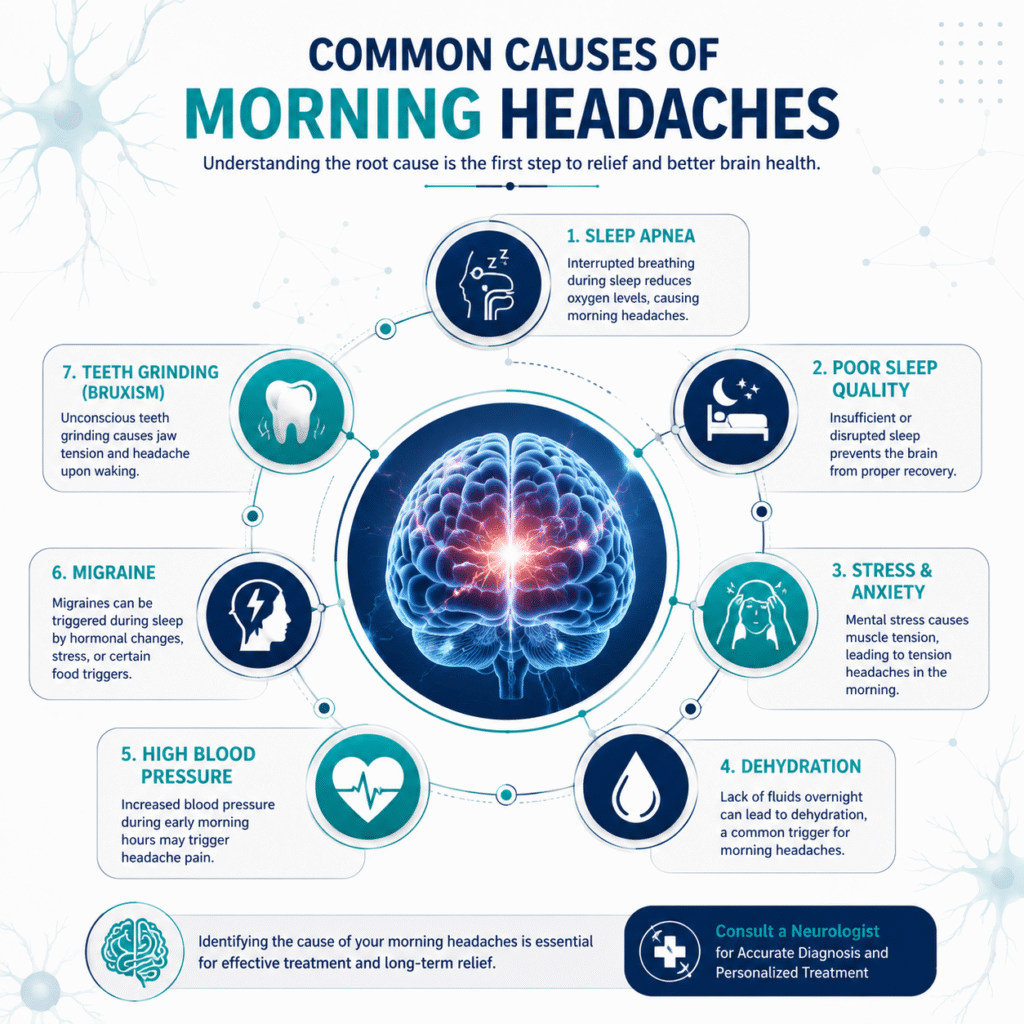
Stress and Anxiety
Chronic stress can contribute to muscle tension in the neck, shoulders, and scalp.
This tension may result in:
- Tension headaches
- Poor sleep quality
- Morning fatigue
- Recurrent morning headaches
Managing stress effectively can significantly reduce headache frequency.
Dehydration
Your body loses fluids overnight through breathing and perspiration.
Insufficient hydration can cause:
- Headaches upon waking
- Dizziness
- Dry mouth
- Fatigue
Drinking adequate water throughout the day can help prevent dehydration-related headaches.
High Blood Pressure
In some individuals, elevated blood pressure may contribute to headaches, particularly in the early morning.
Other symptoms may include:
- Dizziness
- Blurred vision
- Chest discomfort
- Fatigue
Persistent headaches should not be ignored, especially in people with hypertension.
Can Migraines Cause Morning Headaches?
Yes. Migraines are a common cause of morning headaches.
Certain migraine triggers can occur during sleep, including:
- Poor sleep patterns
- Hormonal fluctuations
- Stress
- Certain foods
- Dehydration
Migraine-related morning headaches are often accompanied by:
- Nausea
- Vomiting
- Sensitivity to light
- Sensitivity to sound
- Visual disturbances
Patients with recurring migraines should seek evaluation from a neurologist for proper diagnosis and treatment.
Neurological Conditions Linked to Morning Headaches
Although less common, some neurological conditions may contribute to persistent morning headaches.
Increased Intracranial Pressure
Elevated pressure within the skull can cause headaches that are often worse in the morning.
Associated symptoms may include:
- Blurred vision
- Nausea
- Balance problems
Brain Tumors
While rare, brain tumors may sometimes present with morning headaches that gradually worsen over time.
Additional warning signs may include:
- Seizures
- Weakness
- Vision changes
- Cognitive difficulties
Stroke and Vascular Disorders
Certain vascular conditions affecting blood flow to the brain may cause headaches and neurological symptoms.
Seek immediate medical attention if headaches occur alongside:
- Facial drooping
- Speech difficulties
- Sudden weakness
- Loss of coordination
When Should You See a Neurologist for Morning Headaches?
Consult a neurologist if:
- Morning headaches occur frequently
- Symptoms are worsening over time
- Pain interferes with daily activities
- Headaches wake you from sleep
- Over-the-counter medications no longer help
- Headaches occur with dizziness, weakness, or numbness
- You experience vision or speech problems
Early neurological evaluation can help identify serious underlying conditions and prevent complications.
How Are Morning Headaches Diagnosed?
A neurologist may recommend several assessments to determine the cause of recurring morning headaches.
Medical History
Your doctor will review:
- Sleep habits
- Headache patterns
- Medications
- Lifestyle factors
Neurological Examination
A neurological assessment evaluates:
- Reflexes
- Balance
- Coordination
- Cognitive function
Sleep Evaluation
Sleep studies may be recommended if sleep apnea or other sleep disorders are suspected.
MRI or Brain Imaging
Brain imaging can help identify structural abnormalities, tumors, or other neurological conditions.
Blood Pressure Monitoring
Monitoring blood pressure may help determine whether hypertension is contributing to headaches.
Treatment Options for Morning Headaches
Treatment depends on the underlying cause.
Improving Sleep Habits
Healthy sleep practices include:
- Maintaining a consistent sleep schedule
- Limiting screen time before bed
- Creating a comfortable sleep environment
Managing Stress
Stress management techniques include:
- Meditation
- Yoga
- Deep breathing exercises
- Regular physical activity
Hydration and Nutrition
Adequate hydration and balanced nutrition support overall brain health and reduce headache triggers.
Migraine Treatment
Patients with migraines may benefit from:
- Preventive medications
- Trigger management
- Lifestyle modifications
Treating Underlying Medical Conditions
Addressing conditions such as sleep apnea, hypertension, or neurological disorders can significantly reduce headache frequency.
Tips to Prevent Morning Headaches
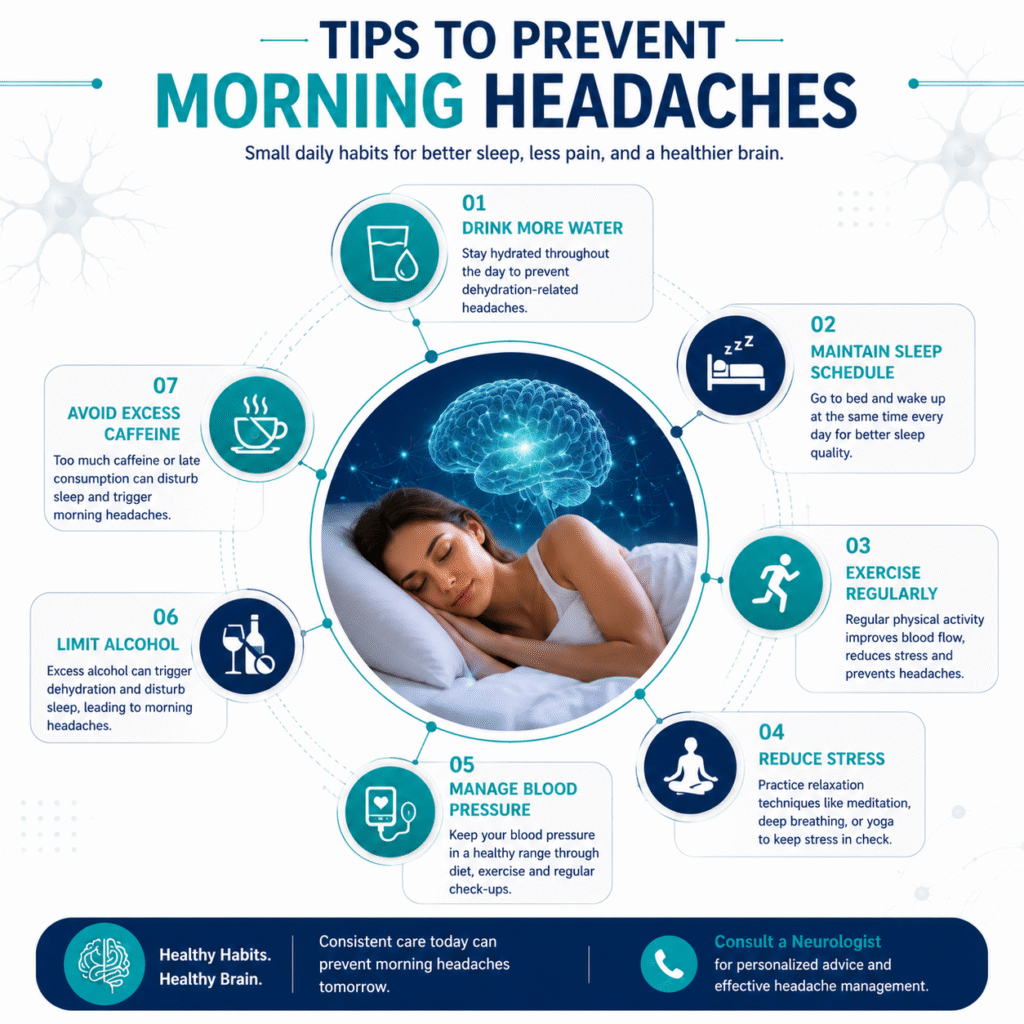
You can reduce the risk of morning headaches by:
- Maintaining a regular sleep schedule
- Staying hydrated
- Limiting alcohol intake
- Reducing caffeine overuse
- Managing stress effectively
- Exercising regularly
- Treating sleep disorders promptly
- Monitoring blood pressure
Consistent healthy habits often play an important role in headache prevention.
Why Choose Dr. Vinit Banga for Headache Evaluation?
Persistent morning headaches should be evaluated by an experienced neurologist.
Dr. Vinit Banga provides:
- Comprehensive neurological assessments
- Advanced headache and migraine management
- Modern diagnostic techniques
- Personalized treatment plans
- Expertise in complex neurological disorders
Early diagnosis can help identify the cause of headaches and improve long-term outcomes.
Frequently Asked Questions
Why do I wake up with a headache every morning?
Frequent morning headaches may result from sleep apnea, poor sleep quality, dehydration, migraines, stress, teeth grinding, or other medical conditions.
Can dehydration cause morning headaches?
Yes. Dehydration is a common cause of headaches upon waking because the body loses fluids overnight
Are morning headaches a sign of a brain tumor?
Most morning headaches are not caused by brain tumors. However, persistent headaches accompanied by neurological symptoms should be medically evaluated.
Can sleep apnea cause headaches?
Yes. Sleep apnea reduces oxygen levels during sleep and is a common cause of morning headaches and daytime fatigue.
When should I worry about morning headaches?
You should seek medical attention if headaches are severe, worsening, frequent, or associated with neurological symptoms such as weakness, vision changes, or speech difficulties.
How can I stop morning headaches naturally?
Maintaining good sleep habits, staying hydrated, managing stress, and avoiding headache triggers may help reduce morning headaches naturally.
Should I see a neurologist for recurring headaches?
Yes. A neurologist can evaluate recurring headaches, identify underlying causes, and recommend effective treatment options.
Conclusion
Morning Headaches are often linked to sleep problems, stress, dehydration, migraines, or other lifestyle factors. While occasional headaches may not be concerning, persistent or worsening symptoms should never be ignored.
Understanding the underlying cause is the key to effective treatment and prevention. Early evaluation can help identify serious medical conditions and improve overall quality of life.
If you frequently wake up with headaches, consult Dr. Vinit Banga, an experienced neurologist, for expert diagnosis and personalized treatment.