High blood pressure (hypertension) is often called the “silent killer” because it can damage your body for years without causing noticeable symptoms. One of its most serious complications is stroke, a medical emergency that occurs when the blood supply to the brain is interrupted or when a blood vessel in the brain ruptures. According to health experts, uncontrolled high blood pressure is the leading preventable risk factor for stroke.
The encouraging news is that many strokes can be prevented through proper blood pressure management, healthy lifestyle habits, and timely medical care. By understanding your risk factors and making informed health choices, you can significantly reduce your chances of experiencing a stroke.
In this guide, we share practical stroke prevention tips for people with high blood pressure, explain why hypertension increases stroke risk, and discuss when it is important to seek expert neurological care.
What Are the Best Stroke Prevention Tips?
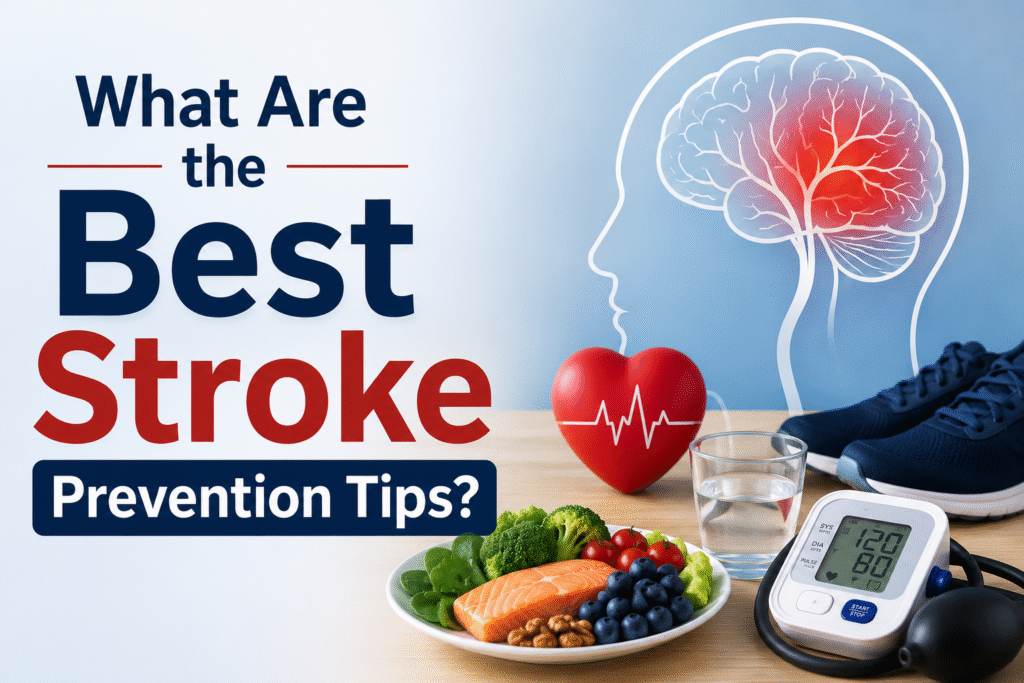
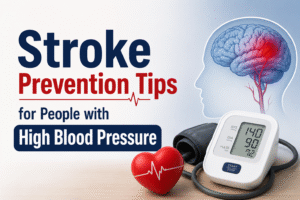
The most effective stroke prevention tips include keeping your blood pressure under control, taking prescribed medications regularly, eating a heart-healthy diet, exercising consistently, maintaining a healthy weight, avoiding tobacco, limiting alcohol intake, managing diabetes and cholesterol, reducing stress, and scheduling regular medical check-ups. These healthy habits can significantly lower your risk of stroke and support long-term brain health.
Understanding the Link Between High Blood Pressure and Stroke
Blood pressure is the force exerted by blood against the walls of your arteries. When this pressure remains consistently high, it damages blood vessels throughout the body, including those supplying the brain.
Over time, high blood pressure can:
- Narrow and hardened arteries
- Increase the risk of blood clot formation
- Weaken blood vessel walls
- Reduce blood flow to the brain
- Increase the likelihood of blood vessel rupture
These changes greatly increase the risk of both ischemic stroke, caused by a blocked artery, and hemorrhagic stroke, caused by bleeding in the brain.
Because hypertension often develops without symptoms, many individuals remain unaware of the damage occurring inside their bodies until a serious complication such as a stroke occurs.
Recognize the Early Warning Signs of Stroke
Knowing the warning signs of stroke can save lives. Immediate medical treatment greatly improves recovery outcomes.
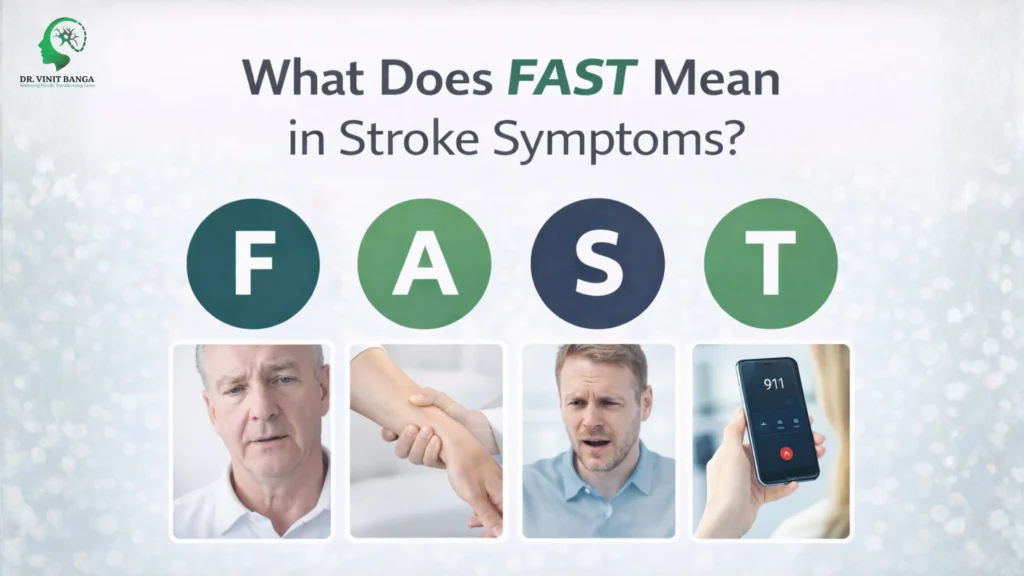
Remember the FAST method:
- F – Face Drooping: One side of the face appears uneven or droops.
- A – Arm Weakness: Difficulty lifting one arm or sudden weakness.
- S – Speech Difficulty: Slurred speech or difficulty speaking.
- T – Time to Call Emergency Services: Seek immediate medical attention if any symptoms appear.
Other warning signs include:
- Sudden numbness in the face, arm, or leg
- Loss of balance or coordination
- Blurred or double vision
- Severe headache with no obvious cause
- Sudden confusion
- Difficulty walking
Never ignore these symptoms, even if they disappear quickly, as they may indicate a transient ischemic attack (TIA), often called a “mini-stroke.”
Top Stroke Prevention Tips for People with High Blood Pressure
1. Monitor Your Blood Pressure Regularly
Regular monitoring is one of the simplest yet most effective ways to reduce stroke risk.
Check your blood pressure:
- At home, using a reliable monitor
- During routine medical appointments
- As advised by your healthcare provider
Tracking your readings helps identify changes early and allows timely adjustments to your treatment plan.
2. Take Blood Pressure Medications Exactly as Prescribed
If your doctor has prescribed medication to control hypertension, take it consistently.
Avoid:
- Skipping doses
- Stopping medication without medical advice
- Changing the dosage on your own
Proper medication adherence helps maintain healthy blood pressure and significantly lowers stroke risk.
3. Eat a Heart-Healthy Diet
A balanced diet supports healthy blood pressure and protects blood vessels.
Focus on eating:
- Fresh fruits
- Green leafy vegetables
- Whole grains
- Lean proteins
- Low-fat dairy products
- Nuts and seeds
Reduce your intake of:
- Salt
- Processed foods
- Sugary beverages
- Fried foods
- Foods high in saturated and trans fats
Following dietary approaches such as the DASH (Dietary Approaches to Stop Hypertension) eating plan may help control blood pressure effectively.
4. Stay Physically Active
Regular exercise improves heart health, circulation, and blood pressure control.
Aim for at least 150 minutes of moderate physical activity each week, such as:
- Brisk walking
- Cycling
- Swimming
- Yoga
- Light strength training
Even small increases in daily activity can have long-term health benefits.
5. Maintain a Healthy Weight
Excess body weight increases the workload on your heart and raises blood pressure.
Healthy weight management can:
- Improve blood pressure
- Reduce cholesterol
- Lower diabetes risk
- Improve cardiovascular health
- Decrease stroke risk
Combining healthy eating with regular exercise is often the most effective strategy.
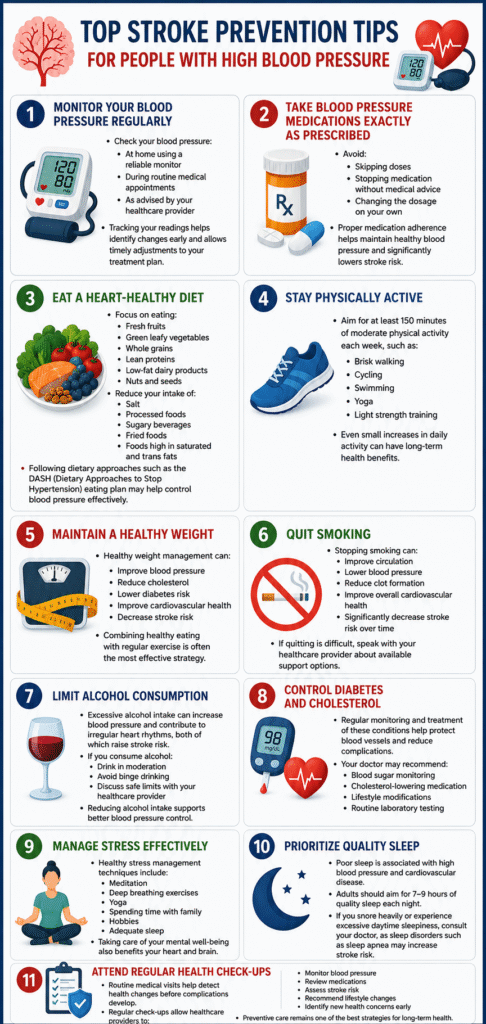
6. Quit Smoking
Smoking damages blood vessels, reduces oxygen delivery, and accelerates plaque formation in arteries.
Stopping smoking can:
- Improve circulation
- Lower blood pressure
- Reduce clot formation
- Improve overall cardiovascular health
- Significantly decrease stroke risk over time
If quitting is difficult, speak with your healthcare provider about available support options.
7. Limit Alcohol Consumption
Excessive alcohol intake can increase blood pressure and contribute to irregular heart rhythms, both of which raise stroke risk.
If you consume alcohol:
- Drink in moderation
- Avoid binge drinking
- Discuss safe limits with your healthcare provider
Reducing alcohol intake supports better blood pressure control.
8. Control Diabetes and Cholesterol
Many people with hypertension also have diabetes or high cholesterol, further increasing stroke risk.
Regular monitoring and treatment of these conditions help protect blood vessels and reduce complications.
Your doctor may recommend:
- Blood sugar monitoring
- Cholesterol-lowering medication
- Lifestyle modifications
- Routine laboratory testing
9. Manage Stress Effectively
Long-term stress can contribute to elevated blood pressure.
Healthy stress management techniques include:
- Meditation
- Deep breathing exercises
- Yoga
- Spending time with family
- Hobbies
- Adequate sleep
Taking care of your mental well-being also benefits your heart and brain.
10. Prioritize Quality Sleep
Poor sleep is associated with high blood pressure and cardiovascular disease.
Adults should aim for 7–9 hours of quality sleep each night.
If you snore heavily or experience excessive daytime sleepiness, consult your doctor, as sleep disorders such as sleep apnea may increase stroke risk.
11. Attend Regular Health Check-ups
Routine medical visits help detect health changes before complications develop.
Regular check-ups allow healthcare providers to:
- Monitor blood pressure
- Review medications
- Assess stroke risk
- Recommend lifestyle changes
- Identify new health concerns early
Preventive care remains one of the best strategies for long-term health.
Additional Lifestyle Habits That Protect Brain Health
Beyond controlling blood pressure, several healthy habits contribute to stroke prevention:
- Stay hydrated throughout the day.
- Reduce excessive salt intake.
- Include potassium-rich foods if medically appropriate.
- Avoid prolonged sitting.
- Maintain regular physical activity.
- Practice relaxation techniques.
- Follow your prescribed treatment plan consistently.
Small lifestyle improvements, maintained over time, can produce substantial health benefits.
When Should You Consult a Neurologist?
While many people manage high blood pressure with their primary physician, certain symptoms require neurological evaluation.
Consult a neurologist if you experience:
- Recurrent severe headaches
- Persistent dizziness
- Difficulty speaking
- Sudden numbness or weakness
- Vision disturbances
- Memory problems
- Balance issues
- Previous stroke or transient ischemic attack (TIA)
- Uncontrolled high blood pressure with neurological symptoms
Early neurological assessment can help identify underlying conditions and guide preventive treatment.
How a Neurologist Helps Prevent Stroke
A neurologist plays an important role in evaluating and reducing stroke risk, particularly for individuals with hypertension and other neurological concerns.
A neurological evaluation may include:
- Detailed medical history
- Comprehensive neurological examination
- Brain imaging when indicated
- Assessment of stroke risk factors
- Personalized treatment recommendations
- Long-term monitoring and preventive care
Working closely with a neurologist can help reduce the likelihood of future neurological complications.
Why Choose Dr. Vinit Banga for Stroke Prevention?
When it comes to preventing stroke, timely evaluation and expert guidance are essential. Dr. Vinit Banga provides comprehensive neurological assessment and evidence-based management for patients at risk of stroke and other neurological disorders. His approach focuses on accurate diagnosis, individualized treatment planning, patient education, and preventive care to support long-term brain health.
Whether you have uncontrolled high blood pressure, recurrent headaches, dizziness, or a family history of stroke, seeking expert neurological advice can help you better understand your risk and take proactive steps to protect your health.
Frequently Asked Questions
Can high blood pressure cause a stroke?
Yes. Uncontrolled high blood pressure damages blood vessels over time, making them more likely to become blocked or rupture. It is the leading preventable risk factor for stroke.
What blood pressure level increases stroke risk?
Stroke risk generally increases when blood pressure remains consistently above the normal range. Your doctor can advise you on your individual target blood pressure based on your age and medical history.
Can lowering blood pressure reduce stroke risk?
Yes. Keeping your blood pressure under control through medications and healthy lifestyle changes significantly lowers the risk of both first-time and recurrent strokes.
What foods help prevent stroke?
A diet rich in fruits, vegetables, whole grains, lean proteins, nuts, legumes, and low-fat dairy products while limiting salt and processed foods supports stroke prevention.
How much exercise helps reduce stroke risk?
Most adults should aim for at least 150 minutes of moderate-intensity exercise each week, along with muscle-strengthening activities on two or more days weekly, unless advised otherwise by their doctor.
What are the first warning signs of a stroke?
Common warning signs include facial drooping, arm weakness, speech difficulty, sudden vision changes, severe headache, numbness, dizziness, and difficulty walking. Immediate medical attention is essential.
When should I see a neurologist for stroke prevention?
You should consult a neurologist if you have uncontrolled hypertension, a history of stroke or TIA, persistent neurological symptoms, or multiple stroke risk factors that require specialized evaluation.
Conclusion
High blood pressure is one of the most important yet manageable risk factors for stroke. By following these stroke prevention tips, including monitoring your blood pressure, taking medications as prescribed, maintaining a healthy lifestyle, and recognizing early warning signs, you can significantly reduce your risk of stroke and protect your brain health.
Prevention begins with awareness and consistent action. If you have high blood pressure or are concerned about your stroke risk, seeking timely medical advice can make a meaningful difference. An experienced neurologist can evaluate your individual risk factors, recommend appropriate preventive strategies, and help you maintain long-term neurological well-being.