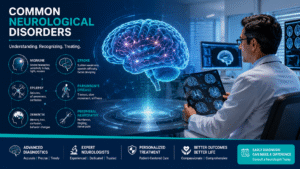
Forgetting where you kept your keys or struggling to recall a name occasionally is common as people grow older. However, persistent or worsening forgetfulness may raise concerns about a more serious neurological condition.
Many people wonder whether memory changes are simply a part of aging or a warning sign of disorders like dementia or Alzheimer’s disease. Understanding the difference is important because early diagnosis can improve treatment outcomes and quality of life.
Memory-related problems can affect daily activities, communication, emotional well-being, and independence. Seeking a timely neurological evaluation helps identify the underlying cause and enables appropriate management.
Experienced specialists like Dr. Vinit Banga, Interventional Neurologist and Stroke Specialist, help patients identify whether memory loss is age-related or linked to neurological disorders.
Is Memory Loss a Normal Part of Aging?
Mild forgetfulness can be a normal part of aging. Older adults may occasionally forget names, appointments, or where they placed objects. However, severe or progressive memory loss that interferes with daily life may indicate a neurological disorder such as dementia, Alzheimer’s disease, or stroke-related cognitive decline.
Understanding Memory Loss
Memory loss refers to difficulty remembering information, events, or skills that were previously easy to recall. It can affect short-term memory, long-term memory, or both.
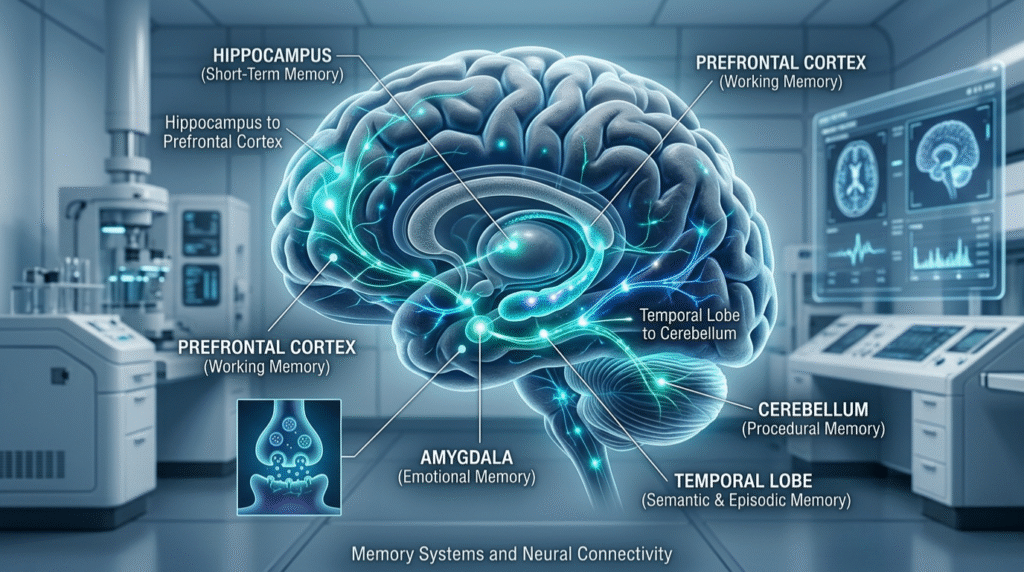
The brain naturally changes with age, causing slightly slower processing and recall speed. However, major disruptions in memory are not considered a normal part of healthy aging.
Memory problems may occur due to:
- Aging-related cognitive decline
- Neurological disorders
- Stress and anxiety
- Sleep problems
- Vitamin deficiencies
- Stroke or brain injury
What Memory Changes Are Normal With Aging?
Some degree of forgetfulness is expected with increasing age. These mild changes usually do not affect independent living.
Occasional Forgetfulness
People may forget names temporarily or misplace everyday objects occasionally.
Slower Thinking Speed
Older adults may take longer to process information or learn something new.
Mild Attention Difficulties
Distractions can sometimes make remembering details harder.
These changes are generally manageable and do not significantly interfere with daily activities.
Warning Signs of a Neurological Disorder
Memory loss may require medical attention if it becomes frequent or starts affecting routine life.

Signs You Should Not Ignore
- Getting lost in familiar places
- Difficulty recognizing family members
- Trouble speaking or understanding conversations
- Repeating questions frequently
- Difficulty managing finances or medications
- Personality or mood changes
- Confusion about time or location
These symptoms may indicate neurological disorders such as dementia or Alzheimer’s disease.
Common Neurological Disorders Linked to Memory Loss
Alzheimer’s Disease
Alzheimer’s disease is one of the most common causes of progressive memory decline in older adults.
Dementia
Dementia is a broader condition involving memory problems, confusion, and reduced cognitive abilities.
Stroke-Related Memory Problems
A stroke can damage brain areas responsible for memory and thinking skills.
Parkinson’s Disease
Some patients with Parkinson’s disease develop cognitive and memory-related symptoms over time.
Mild Cognitive Impairment (MCI)
MCI causes noticeable memory decline that is greater than normal aging but not severe enough to disrupt independence completely.
Causes of Memory Loss Beyond Aging
Not all memory problems are caused by neurological disease. Several medical and lifestyle factors can contribute to forgetfulness.
Common Causes Include:
- Stress and anxiety
- Depression
- Sleep deprivation
- Vitamin B12 deficiency
- Thyroid disorders
- Medication side effects
- Alcohol misuse
- Brain injury
Identifying reversible causes early can help improve memory function.
When Should You See a Neurologist?
You should consult a neurologist if you have memory problems:
- Become frequent or worsen over time
- Affect daily activities
- Cause confusion or behavioral changes
- Interfere with communication
- Occur suddenly after a stroke or head injury
Early neurological evaluation can help diagnose conditions before significant progression occurs.
How Neurologists Diagnose Memory Disorders
Neurologists use multiple tools and assessments to identify the cause of memory problems.
Neurological Examination
A detailed evaluation checks brain function, coordination, reflexes, and cognition.
Cognitive Testing
Memory and thinking skills are assessed through specialized cognitive tests.
MRI or Brain Imaging
Brain scans help detect stroke damage, tumors, shrinkage, or structural abnormalities.
Blood Tests
Tests may identify vitamin deficiencies, infections, or thyroid problems.
Memory Assessment Tools
Specialized screening tools help determine the severity of memory impairment.
Treatment Options for Memory Loss
Treatment depends on the underlying cause of memory problems.
Lifestyle Changes
Healthy habits can improve brain function and slow cognitive decline.
Cognitive Therapy
Brain exercises and mental stimulation may help strengthen memory.
Medications
Certain medications may help manage symptoms of Alzheimer’s disease and dementia.
Stroke Rehabilitation
Patients recovering from stroke may benefit from cognitive rehabilitation therapy.
Management of Underlying Conditions
Treating sleep disorders, stress, depression, or nutritional deficiencies may improve memory.
Tips to Maintain Brain Health as You Age
Maintaining brain health can reduce the risk of cognitive decline.

Healthy Brain Habits
- Exercise regularly
- Eat a balanced diet
- Sleep adequately
- Stay mentally active
- Control blood pressure and diabetes
- Avoid smoking and excess alcohol
- Stay socially connected
These lifestyle measures support long-term cognitive function.
Why Choose Dr. Vinit Banga for Memory Disorders?
Dr. Vinit Banga provides expert evaluation and treatment for patients experiencing memory-related symptoms.
Patients benefit from:
- Advanced neurological assessment
- Expertise in stroke and cognitive disorders
- Personalized treatment plans
- Modern diagnostic techniques
- Patient-centered neurological care
Early diagnosis and expert guidance can help patients manage memory problems more effectively.
FAQs
Is memory loss always a sign of dementia?
No, mild forgetfulness can occur with normal aging. However, severe or progressive memory decline may indicate dementia or another neurological disorder.
What type of doctor treats memory loss?
A neurologist specializes in diagnosing and treating memory disorders, dementia, stroke-related cognitive problems, and other neurological conditions.
Can stress cause memory problems?
Yes, chronic stress and anxiety can affect concentration and memory, making it harder to recall information.
At what age does memory loss become serious?
Memory loss becomes concerning when it affects daily life, communication, decision-making, or safety, regardless of age.
Can memory loss be reversed?
Some causes of memory loss, such as vitamin deficiencies or medication side effects, may be reversible with proper treatment.
When should I worry about forgetfulness?
You should seek medical evaluation if memory problems worsen over time or interfere with daily activities and relationships.
Conclusion
Mild forgetfulness can be a normal part of aging, but significant memory decline should never be ignored. Conditions like dementia, Alzheimer’s disease, and stroke-related cognitive impairment require early diagnosis and proper neurological care.
Recognizing warning signs and consulting a specialist at the right time can improve treatment outcomes and quality of life.
If you or your loved one is experiencing persistent memory problems, consult Dr. Vinit Banga, an experienced neurologist and stroke specialist, for expert evaluation and personalized care.
Related Blog
Types of Migraine| Symptoms of Migraine |What is a Neurologist |Neurovascular Treatments |Manage Migraine Pain | Stroke in Young Adults| Life After Stroke |Migraine Treatment Methods |Guidelines for Chronic Neurological |Chronic Migraine Patients | Neurological Care in Faridabad |Early Signs of Stroke | Persistent Headache | Cost of Neurological Treatment | Neuropathy Causes | Epilepsy & Seizure Disorders | Migraine vs Normal Headache| Cost of Migraine Treatment| First Neurologist Appointment |Dizziness and Balance Problems